
 EN
EN


The Foundation of Marine Longevity: Why Mercury Outboards Demand Precision Care
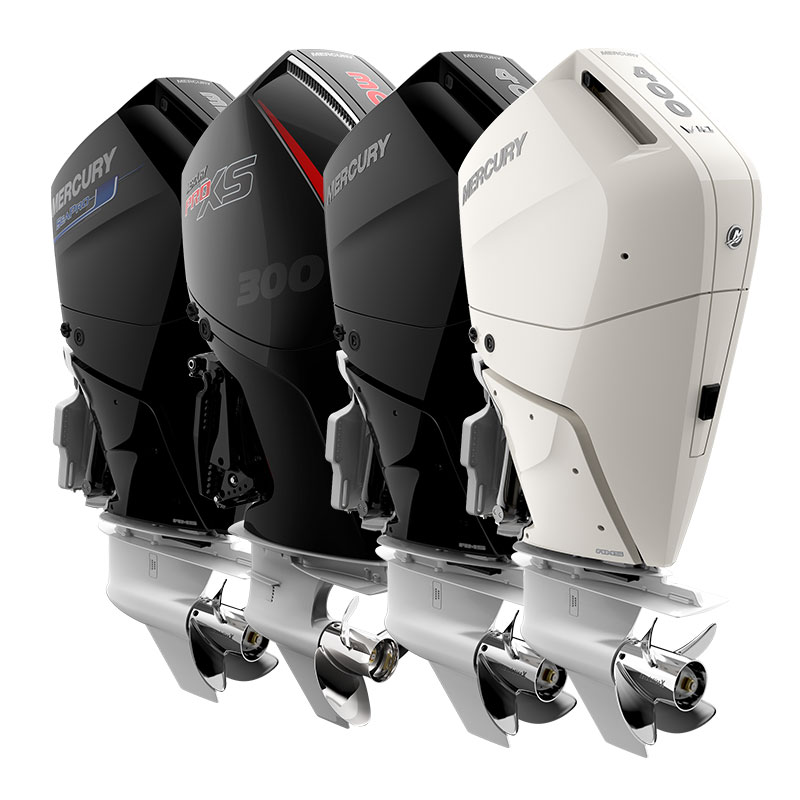
Operating high-performance marine engines in demanding coastal, estuarine, or deep-sea freshwater environments requires far more than casual mechanical upkeep; it demands a thorough, engineering-backed preventive maintenance strategy. Mercury outboards are globally recognized for their engineering excellence, advanced power-to-weight ratios, high fuel efficiency, and robust reliability under pressure. However, maximizing operational lifespan—frequently targeted well past thousands of rigorous commercial or recreational service hours—hinges entirely on strict adherence to structured preservation protocols. According to leading marine engineers, naval architects, and propulsion specialists worldwide, systematic preventive maintenance significantly reduces unexpected catastrophic failure rates, effectively safeguarding both heavy capital investments and critical on-water safety. Whether these advanced power systems are deployed on high-speed commercial workboats, emergency rescue vessels, patrol crafts, or luxury recreational RIBs, understanding the intricate mechanical and thermal demands of these engines is the absolute cornerstone of professional fleet management and long-term asset optimization.
Rigorous Post-Operation Flushing and Cooling System Defense
The cooling system functions as the critical lifeblood of any high-output outboard engine, directly dictating operational thermal stability, fluid viscosity, and overall component durability. Throughout years of extensive field service and technical support across diverse international marine markets, service engineers have observed that aggressive salt crystal accumulation, marine silt deposition, and biofouling remain the primary culprits behind premature water pump impeller wear, restricted water jackets, and localized thermal overheating. Consequently, every post-operation maintenance routine must incorporate a thorough, pressurized freshwater flush utilizing the designated manufacturer-engineered flush port. This crucial step maintains optimal engine idle temperatures while aggressively clearing internal salt galleries and preventing mineral scale buildup. Furthermore, professional inspection schedules must mandate periodic, documented checks of water pressure indicators, thermostat opening thresholds, and the timely replacement of sacrificial zinc or aluminum anodes. These specialized anodes act as the vital first line of defense against aggressive galvanic corrosion in conductive saltwater environments, protecting expensive alloy engine blocks from structural degradation.
Lubrication Science: Fluid Integrity and Lower Unit Maintenance
Advanced lubrication is never merely an auxiliary checklist task; it represents a sophisticated scientific discipline engineered to mitigate boundary friction, thermal breakdown, and surface wear under extreme operational load cycles. Modern Mercury outboards routinely operate at exceptionally high RPM thresholds, placing immense mechanical shear stress and thermal pressure on engine crankcase oils and lower unit gearcase lubricants. Utilizing certified, high-specification synthetic marine oils—such as proprietary technological formulations—effectively prevents thermal viscosity breakdown and varnish accumulation on critical internal moving components like pistons, camshafts, and bearings. Field telemetry and service data consistently demonstrate that maintaining strict, disciplined oil change intervals drastically reduces micro-abrasive metal-on-metal wear. Additionally, performing routine visual and pressure inspections of the lower unit gear lube for milky discoloration—which serves as a definitive indicator of compromised propeller shaft seals—prevents catastrophic internal water intrusion, saving commercial and recreational operators from exceptionally costly lower unit gear set replacements and unexpected operational downtime.
Fuel System Management and Electrical Integrity Optimization
Modern marine propulsion relies heavily on precise electronic fuel injection networks and sophisticated computer-controlled engine management systems to deliver optimal performance and fuel economy. However, modern fuel blends, particularly those containing varying concentrations of ethanol, are notoriously susceptible to phase separation, varnish formation, and rapid moisture absorption, frequently leading to fuel injector clogging and severe combustion irregularities. Incorporating high-grade, marine-spec water-separating fuel filters and running professional fuel stabilizers during extended off-season storage periods is absolutely essential. Concurrently, protecting the engine's intricate electrical architecture requires treating sensitive wire harnesses, multi-pin connectors, and battery terminals with anti-corrosion dielectric grease. Ensuring consistently stable battery voltage, clean ground connections, and robust charging outputs prevents electrical voltage drops that can erraticize vital sensor readings, thereby safeguarding the electronic control module from efficiency-draining faults and costly electrical system failures.
Propulsion Efficiency: Propeller Geometry and Hydrodynamic Tuning
Beyond internal mechanical and electrical care, optimizing the hydrodynamic interface between the outboard engine and the water body plays a monumental role in extending overall mechanical lifespan. Selecting the correct propeller pitch, diameter, and blade geometry ensures that the engine operates strictly within its recommended Wide Open Throttle RPM operating range. Operating an outboard outside of this specified range—either through over-propping, which overloads the powerhead, increases cylinder pressures, and accelerates internal wear, or through under-propping, which causes chronic over-revving—strains the crankshaft, transmission gears, and combustion chambers. Routine inspection of propeller blades for nicks, cavitation damage, and bent shafts prevents destructive harmonic vibrations from transmitting upward through the drive shaft into the powerhead, preserving the entire structural integrity of the propulsion assembly.
Partnering with Certified Experts for Sustained Operational Excellence
Achieving the ultimate operational longevity for a Mercury outboard requires successfully combining disciplined daily field maintenance with uncompromised access to original replacement components and expert technical backing. When sourcing replacement parts, gaskets, ignition components, or specialized transmission assemblies, utilizing certified original equipment manufacturer items guarantees strict dimensional tolerance compliance and metallurgical compatibility. Operating under stringent international quality standards—including ISO frameworks for quality management, environmental responsibility, and workplace safety—Xsmarine bridges the gap between global fleet operators and guaranteed genuine parts availability. Through an extensive nationwide network and expanding global supply chain, certified marine solutions are delivered to ensure that every horsepower provided by the propulsion system remains clean, highly efficient, and exceptionally dependable across the most extreme global duty cycles.
Table of Contents
- The Foundation of Marine Longevity: Why Mercury Outboards Demand Precision Care
- Rigorous Post-Operation Flushing and Cooling System Defense
- Lubrication Science: Fluid Integrity and Lower Unit Maintenance
- Fuel System Management and Electrical Integrity Optimization
- Propulsion Efficiency: Propeller Geometry and Hydrodynamic Tuning
- Partnering with Certified Experts for Sustained Operational Excellence