 ×
×

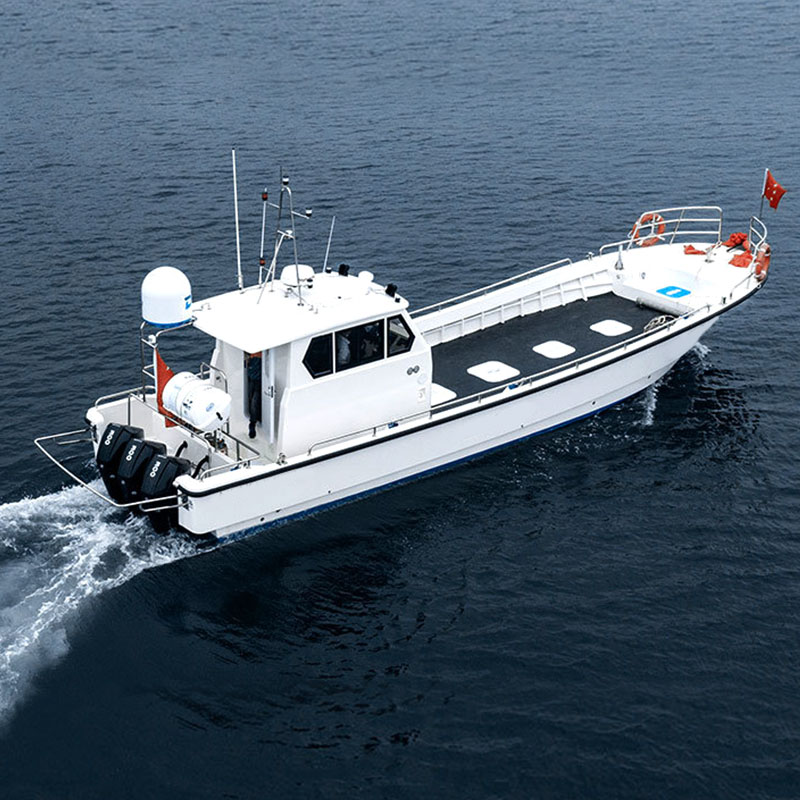
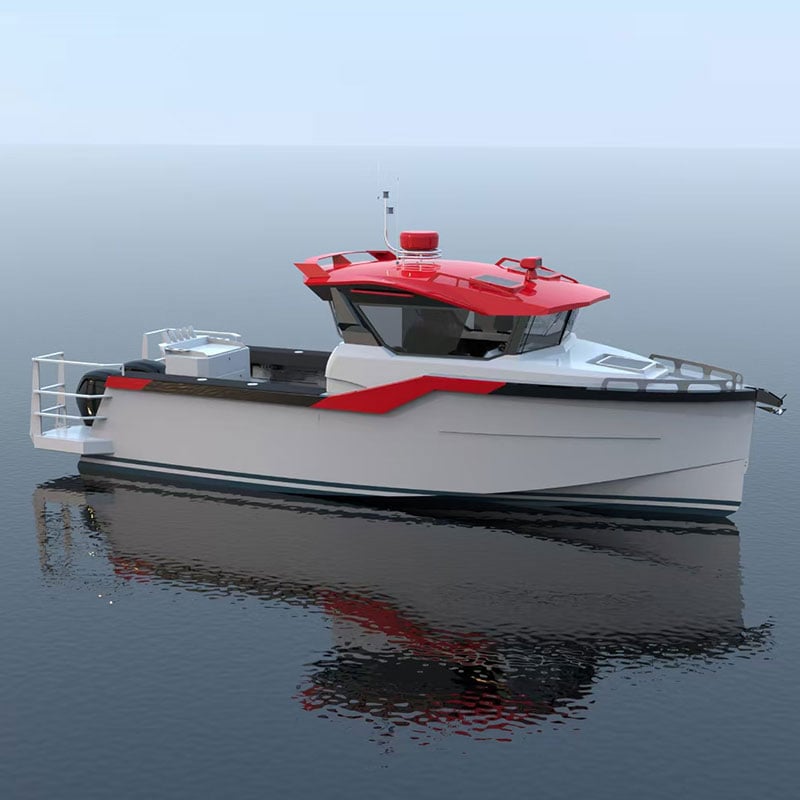
In the commercial marine sector where reliability and functionality are the backbone of operations, Workboat stands as an indispensable category that directly fuels the productivity of countless businesses. For merchant operating in industries such as construction, fisheries, port management, and offshore logistics, Workboats are not just vessels—they are mobile workhorses that enable critical tasks to be completed efficiently on water. Workboats in this category are defined by their purpose-built design, engineered to handle specific industrial or commercial tasks rather than for leisure, making them tailored to meet the tough demands of professional use.
Offering Workboats is a strategic move for businesses looking to cater to the core needs of marine-based industries. These boats are designed to perform in diverse and often challenging environments: from shallow coastal waters where construction projects take place to busy port areas with heavy vessel traffic, and even offshore locations where oil rig support or fish farming operations occur. For businesses, this means tapping into a market that relies on specialized equipment to keep operations running. Whether your clients are small fishing enterprises needing sturdy boats for daily catches, large port authorities requiring vessels for dredging and maintenance, or construction companies needing platforms for water-based building work, Workboats deliver the functionality they need. Moreover, Workboats are built to prioritize durability and practicality, ensuring they can withstand the daily grind of commercial use—this long-term reliability not only satisfies customers but also strengthens your business’s reputation as a provider of essential, hard-wearing marine equipment. In a market where downtime equals lost revenue, Workboats stand out as a vital offering that can drive customer loyalty and steady business growth.
Advantage Points
Task-Specific Design for Operational Efficiency: Workboats are engineered with task-specific designs that align perfectly with the needs of different commercial operations, a feature that directly boosts operational efficiency for clients. Unlike general-purpose boats that may require makeshift adaptations, Workboats come with built-in features tailored to their intended use. For example, a fishing Workboat might have integrated fish holds, hydraulic winches for nets, and reinforced decks for handling heavy catches, while a construction Workboat could feature crane mounts, flat cargo areas for building materials, and stable platforms for workers. This specialized design means clients can start using the Workboat immediately without costly modifications, reducing setup time and getting operations up and running faster. For businesses, this translates to a product that solves specific customer pain points—clients know they’re getting a vessel that’s ready to work, which makes your offering more attractive and positions your business as one that understands their industry needs.
Robust Construction for Heavy-Duty Use: Workboats are built with robust construction that allows them to thrive in heavy-duty commercial environments, a key advantage for businesses seeking long-term value. The hulls of Workboats are typically made from thick, marine-grade steel or reinforced aluminum, chosen for their ability to withstand impacts from floating debris, constant loading and unloading of heavy cargo, and exposure to harsh weather conditions. Internal structures, such as bulkheads and cargo racks, are reinforced to handle heavy weights, while components like engines and hydraulic systems are selected for their durability and ability to operate under continuous use. Unlike leisure boats that may prioritize comfort over strength, Workboats are built to take a beating and keep going. For businesses, this robustness is a major selling point. It means you can market Workboats as a low-risk investment for clients—they can rely on the vessel to handle daily operations without frequent breakdowns, reducing maintenance costs and minimizing downtime. This focus on durability resonates with clients who need equipment they can trust to perform day in and day out.
Versatile Loading and Hauling Capabilities: Workboats excel in their loading and hauling capabilities, making them essential for businesses that need to transport cargo, equipment, or personnel on water. These boats feature spacious, flat decks or dedicated cargo holds designed to maximize carrying capacity, with secure tie-down points to keep loads stable during transit. Many Workboats also come with hydraulic lifts, cranes, or ramps that simplify the process of loading and unloading heavy items—whether it’s construction materials, fishing gear, or maintenance tools. Some models are even designed to carry passengers safely, with seating and railings that meet commercial safety standards, allowing clients to transport workers to and from job sites. For businesses, highlighting these versatile loading capabilities shows clients that Workboats can streamline their logistics. Instead of using multiple smaller vessels or relying on inefficient transportation methods, clients can use a single Workboat to handle various hauling needs, saving time and reducing operational costs. This makes Workboats a practical, cost-effective solution that appeals to a wide range of commercial clients.
Easy Maintenance and Serviceability: Workboats are designed with easy maintenance and serviceability in mind, a feature that reduces the hassle and cost of upkeep for clients—a significant advantage for businesses selling to busy commercial operators. Key components like engines, filters, and hydraulic systems are positioned for easy access, allowing mechanics to perform routine checks and repairs without extensive disassembly. Many Workboat manufacturers also use standardized parts that are readily available in most marine supply stores, meaning clients don’t have to wait for specialized components to arrive when something needs fixing. Additionally, the simple, functional design of Workboats minimizes complex systems that are prone to breakdowns, reducing the number of maintenance tasks required. For businesses, this ease of maintenance is a strong selling point. It means clients can keep their Workboats in good working order with minimal effort, ensuring the vessel is always available when needed. This reliability enhances customer satisfaction and makes clients more likely to return to your business for future purchases or upgrades.
Process Selling Points
The exceptional performance and durability of Workboats are the result of careful manufacturing processes that prioritize functionality, strength, and practicality. These processes ensure that every Workboat meets the rigorous demands of commercial use, making them a trustworthy choice for businesses and their clients.
A foundational process in Workboat manufacturing is heavy-duty hull fabrication. The hull is the core of a Workboat’s strength, and manufacturers use specialized techniques to ensure it can handle heavy loads and harsh conditions. For steel hulls, manufacturers employ plasma cutting and robotic welding to create precise, strong joints that resist corrosion and impact. The steel plates used are thicker than those in standard boats—often 6mm or more—providing extra rigidity. For aluminum hulls, which are lighter but still strong, manufacturers use TIG welding to create clean, durable seams, and the aluminum is often alloyed with magnesium for added strength. The hull shape is also carefully designed using marine engineering software to optimize stability when loaded with cargo; many Workboats feature a displacement hull that sits low in the water, reducing rocking and improving handling when carrying heavy loads. This meticulous hull fabrication process ensures that Workboats can withstand the daily stresses of commercial use, from carrying heavy cargo to navigating shallow, debris-filled waters.
Another critical process is custom component integration. Unlike mass-produced leisure boats, Workboats require specific components to meet their intended use, and manufacturers excel at integrating these components seamlessly into the vessel’s design. For example, if a client needs a Workboat with a crane, manufacturers don’t just bolt a crane onto the deck—they reinforce the hull and deck structure at the mounting point to handle the crane’s weight and movement, ensuring the vessel remains stable during operation. Similarly, fish holds in fishing Workboats are integrated into the hull with insulation and drainage systems, preventing water buildup and keeping catches fresh. This integration process involves close collaboration between design engineers and client representatives to understand exact needs, then using 3D modeling software to map out component placement before fabrication. By integrating components in this way, manufacturers ensure that the Workboat functions as a cohesive unit, with no compromises on performance or safety. For businesses, this means offering Workboats that are truly tailored to client needs, making your product stand out in a competitive market.
Rigorous load and stress testing is also a key process in Workboat production, ensuring that the vessel can handle the demands of its intended use. Before a Workboat leaves the factory, it undergoes a series of load tests where it’s loaded with weights equivalent to its maximum capacity—sometimes even 120% of capacity—to check for hull deformation, deck flex, or component failure. Engineers monitor the hull and structural components using strain gauges and visual inspections to ensure they remain within safe limits. Additionally, stress testing involves simulating rough water conditions in a controlled environment, such as a testing tank, to see how the Workboat handles waves and impacts when loaded. For example, a construction Workboat might be tested with a full load of building materials while being subjected to simulated waves to ensure it remains stable and seaworthy. This rigorous testing gives businesses confidence that the Workboats they sell can perform as advertised, reducing the risk of customer complaints or returns. Clients can trust that their Workboat will handle their daily operations without failing, even under heavy loads or tough conditions.
Finally, Workboat manufacturing benefits from practical finishing and protective treatments. These treatments are designed to extend the Workboat’s lifespan by protecting it from the harsh marine environment. The hull and exterior surfaces are coated with industrial-grade anti-corrosion paint that’s applied in multiple layers using spray systems, ensuring even coverage and maximum protection against saltwater and UV rays. Areas prone to wear, such as the bow and deck edges, are often reinforced with additional protective coatings or rubber fenders to prevent damage from impacts. Internal components like engines and hydraulic systems are treated with water-resistant sealants to prevent moisture damage, and electrical systems are enclosed in waterproof housings. These finishing processes don’t just improve durability—they also make maintenance easier, as the protective coatings reduce the need for frequent repainting or repairs. For businesses, this means selling Workboats that look professional, last longer, and require less upkeep, which enhances customer satisfaction and strengthens your reputation as a provider of high-quality commercial marine equipment.

 EN
EN