
 EN
EN


متانة المحرك وطول عمر الخدمة
بناء قوي: نسب ضغط أعلى ومكونات ثقيلة الاستخدام
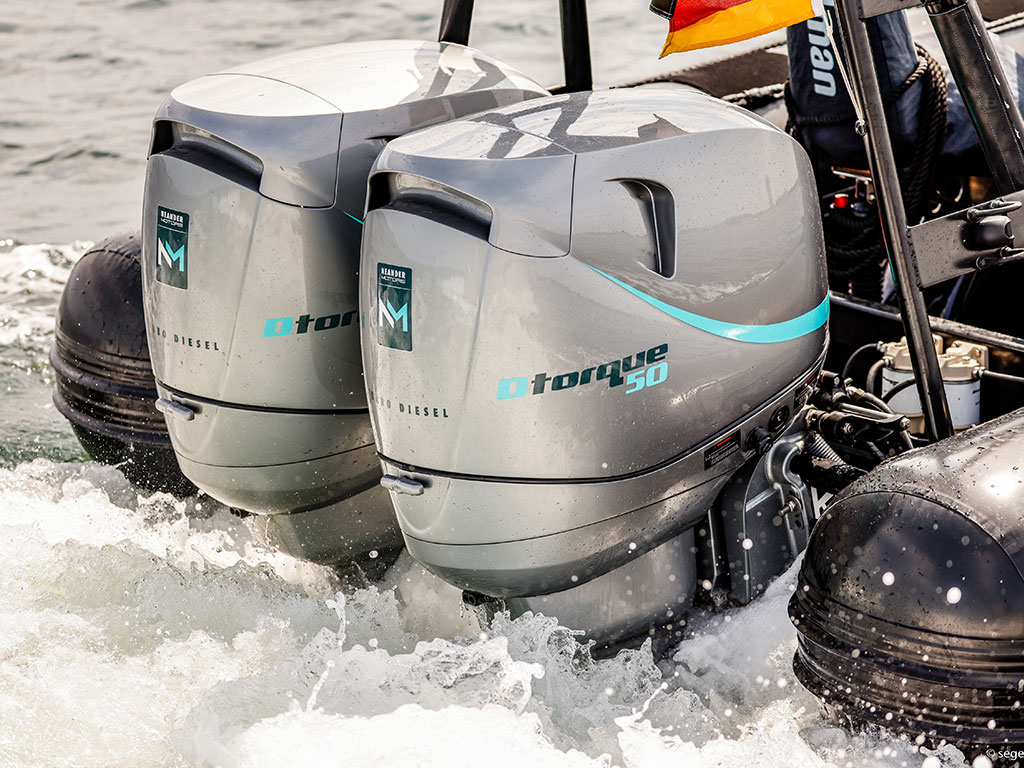
تتفوق المحركات الخارجية الديزلية في طول العمر بفضل مزايا هندسية جوهرية. فنسبة الضغط الأعلى فيها (عادةً ١٨:١ مقارنةً بـ ٩–١٢:١ في المحركات البنزينية) تُمكّن احتراقًا أكثر كفاءةً مع تقليل الإجهاد الميكانيكي على المكونات الداخلية. ويمتد هذا النهج إلى عمود المرفق المصنوع من الفولاذ المطروق، وجدران الأسطوانة السميكة، ومقاعد الصمامات المصلدة — وكلها مصممة للعمل المستمر تحت أحمال عالية. ونتيجةً لذلك، تدوم عناصر التآكل الحرجة مثل المBearings والحلقات المانعة للتسرب في المكابس بنسبة تصل إلى ٤٠–٦٠٪ أطول من نظيراتها البنزينية في ظل ظروف التشغيل المتطابقة.
التحقق من الأداء في الواقع العملي: حققت أسطول السواحل النرويجي ١٢٠٠٠ ساعة أو أكثر لكل محرك خارجي ديزيلي
تؤكد البيانات التشغيلية من أساطيل السفن التجارية البحرية هذه المزايا. فلقد وثّقت أسطول الإدارة الساحلية النرويجية فترات خدمة متوسطة لمحركات الديزل الخارجية تجاوزت ١٠٠٠ ساعة بين عمليات الصيانة الرئيسية — أي ما يعادل ثلاثة أضعاف المعيار النموذجي للمحركات البنزينية. والأهم من ذلك أن العمر التشغيلي التراكمي يتجاوز عادةً ١٢٠٠٠ ساعة قبل الحاجة إلى إجراء عملية تجديد شاملة. وينبع هذا المتانة من خاصية التزييت الطبيعية التي يتمتع بها وقود الديزل، والتي تحمي المكونات الداخلية، ومن درجات الحرارة التشغيلية الأقل التي تقلل من التدهور الحراري — مما يثبت متانته الاستثنائية في البيئات البحرية الصعبة.
كفاءة الوقود وانخفاض التكلفة الإجمالية للملكية
توفير في استهلاك الوقود بنسبة ٢٥–٣٠٪ مقارنةً بالمحركات الخارجية البنزينية عند الأحمال cruising المستمرة
توفر المحركات الخارجية الديزلية انخفاضًا حاسمًا بنسبة ٢٥–٣٠٪ في استهلاك الوقود مقارنةً بالمحركات البنزينية عند السرعات الثابتة أثناء الإبحار. وللأساطيل التجارية التي تعمل أكثر من ٢٠٠٠ ساعة سنويًّا، يحوِّل هذا الفارق النفقات المتعلقة بالوقود من تكلفة متكررة إلى بندٍ ماليٍّ قابلٍ للتنبؤ به وإدارته بسهولة. ويستفيد مشغِّلو المحركات ذات الساعات العالية — ومن بينهم طواقم القوارب الدورية وقوارب العبارات والقوارب العاملة — بشكل أكبر، نظرًا لأن محركاتهم تقضي معظم وقت التشغيل في نطاق الدوران المتوسط (RPM) الفعّال، حيث تكون ميزة الاحتراق النحيف للديزل أوضح ما يكون. وبدلًا من استهلاك كمية زائدة من الوقود للحفاظ على عزم الدوران، تقوم المحركات الخارجية الديزلية بقياس كمية الوقود بدقةٍ عالية — مما يقلل من الاستهلاك ويتسبب في تراكم أقل للرواسب الكربونية. كما تمتد هذه الكفاءة لزيادة المدى المقطوع بكل خزان وقود، وهي ميزة بالغة الأهمية في العمليات البحرية البعيدة أو في المناطق النائية التي يُعد فيها إعادة التزود بالوقود معقدة لوجستيًّا أو مكلفة.
الكفاءة الحرارية وكثافة الطاقة: لماذا يوفِّر الديزل طاقةً أكبر لكل جالون
تنتج الميزة المتعلقة بكفاءة استهلاك الوقود في محركات الديزل عن خصيصتين فيزيائيتين جوهريتين: كفاءة حرارية أعلى وكثافة طاقية أكبر. فبينما تعمل محركات البنزين البحرية الحديثة بكفاءة حرارية تبلغ نحو ٣٠–٣٥٪، فإن محركات الديزل الخارجية تحقق عادةً كفاءة حرارية تتراوح بين ٤٠–٤٥٪، ما يعني تحويل جزء أكبر من الطاقة الكيميائية للوقود إلى قوة دورانية قابلة للاستخدام. كما يحتوي وقود الديزل على طاقة تفوق طاقة البنزين بنسبة ١٢–١٥٪ تقريبًا لكل لتر. وعند دمج هذه الميزة مع الاشتعال بالضغط — الذي يسمح بنسب هواء-وقود أخف — ينتج عن ذلك محرك قادر على استخلاص دفع أكبر لكل وحدة من الوقود المحترق، لا سيما تحت الأحمال المستمرة. وللعمليات التي تتطلب طاقة مستمرة على مسافات طويلة، يحوّل الديزل كل دولار صرف على الوقود إلى عمل أكثر كفاءة مقارنةً بأي بديل يعمل بالشرارة، مما يقلل التكاليف التشغيلية دون المساس بالأداء.
تحسين السلامة والامتثال التنظيمي للاستخدام التجاري
انخفاض خطر نشوب الحرائق: انخفاض تطاير وقود الديزل وارتفاع نقطة اشتعاله
توفر المحركات الخارجية الديزل مزايا أمنية جوهرية في العمليات البحرية نظراً للخصائص الكيميائية للوقود. فنقطة الاشتعال للديزل هي ٥٢°م (١٢٥°ف)، ما يجعله أقل تطايراً بكثير من البنزين، الذي يشتعل عند –٤٣°م (–٤٥°ف). ويقلّل هذا بشكل كبير من خطر الاشتعال العرضي أثناء التزود بالوقود أو التخزين أو التشغيل — وهي اعتبارات حاسمة بالنسبة للأسطول التجاري العامل في أماكن رسو محدودة أو في المناطق الحساسة بيئياً. وتُظهر بيانات السلامة البحرية لعام ٢٠٢٣ أن المشغلين التجاريين يبلّغون عن وقوع حوادث مرتبطة بالوقود بنسبة أقل بـ٦٠٪ في السفن التي تعمل بالديزل مقارنةً بنظيراتها التي تعمل بالبنزين.
الامتثال للمعايير الأوروبية: توافق وقود ISO 8217 في تطبيقات العبّارات للركاب
بالنسبة لمشغِّلي السفن التجارية الذين يتنقلون في المياه الدولية، فإن الامتثال للوائح التنظيمية أمرٌ بالغ الأهمية. وتفي محركات الدفع الخلفي الديزلية بطبيعتها بمعايير الوقود البحري ISO 8217 المطلوبة لعبّارات الركاب الأوروبية وغيرها من السفن الخاضعة للتنظيم. ويضمن ذلك جودة وقود متسقة، ويقلل إلى أدنى حدٍ انبعاثات الجسيمات، ويتفادى مشاكل الانفصال الطوري التي تظهر عادةً في البنزين المخلوط بالإيثانول. وقد أبلغ مشغِّلو العبّارات الذين انتقلوا إلى استخدام محركات الدفع الخلفي الديزلية عن التزامٍ سلسٍ بمتطلبات الانبعاثات الواردة في المرفق السادس من اتفاقية MARPOL، كما تخلّصوا من النفقات الإضافية الناتجة عن مواد استقرار الوقود وعلاجاته الخاصة بالبنزين.
الجاهزية التشغيلية ومزايا الصيانة في البيئات عالية الاستخدام
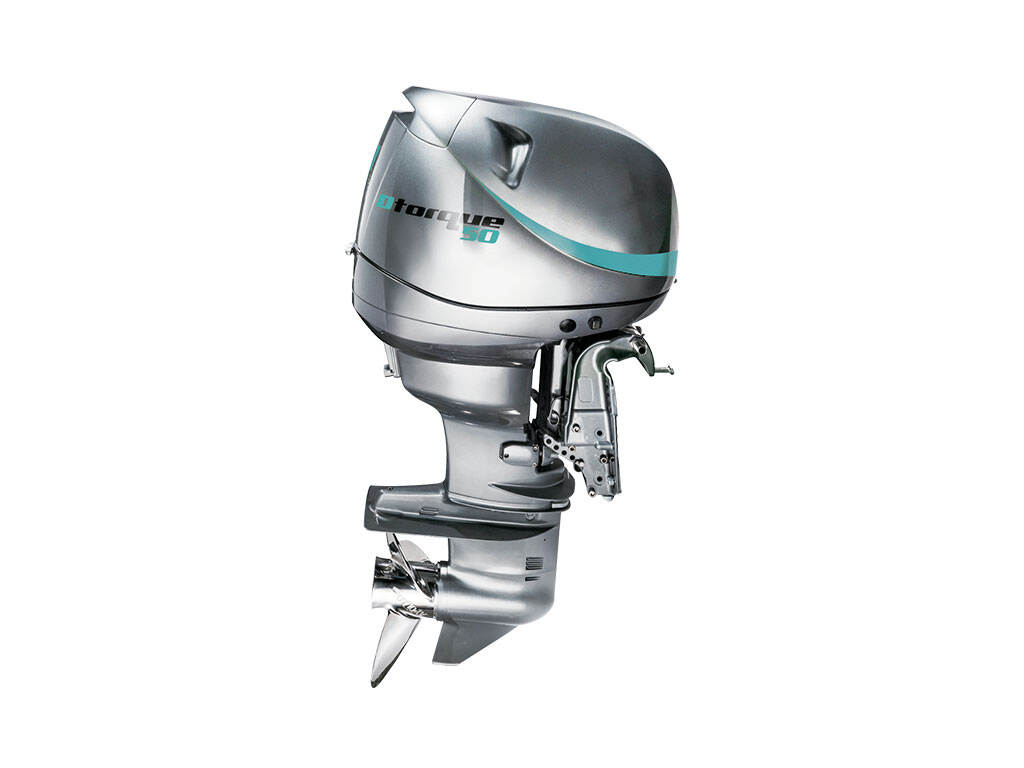
تم تصميم محركات الديزل الخارجية للحد الأدنى من توقف التشغيل والنشر السريع — وهي ميزة بالغة الأهمية للأسطول التجاري، حيث تؤثر فترات الخدمة غير المُخطَّط لها تأثيرًا مباشرًا على الإيرادات. ويضمن ارتفاع نسبة الضغط ومتانة نظام الوقود تشغيلًا موثوقًا للمحرك في درجات الحرارة المنخفضة واستقراره عند وضع الخمول، حتى بعد فترات طويلة من عدم الاستخدام، مما يقلل من عمليات الفحص السابقة للإبحار ويدعم جاهزية المهمة. ومن ناحية الصيانة، تتطلب محركات الديزل الخارجية تدخلات دورية أقل. وبما أن هذه المحركات لا تحتوي على شواش الإشعال (البلاكوتات) أو الكربوراتير أو ملفات الإشعال، فإنها بذلك تخلو من نقاط الفشل الشائعة الموجودة في المحركات البنزينية، كما أن فترات تغيير زيت المحرك الممتدة — والتي غالبًا ما تتجاوز ٥٠٠ ساعة تشغيل — تحافظ على بقاء القوارب في الخدمة لفترات أطول. وتؤدي هذه المزايا مجتمعةً — أي التصميم المتين وتبسيط إجراءات الخدمة — إلى رفع معدل استغلال الأصول، وتخفيض فترات التوقف غير المُخطَّط لها، وإطالة عمر المعدات، ما يجعل محركات الديزل الخارجية خيارًا عمليًّا وموثوقًا به للعمليات البحرية ذات ساعات التشغيل العالية.