
 EN
EN


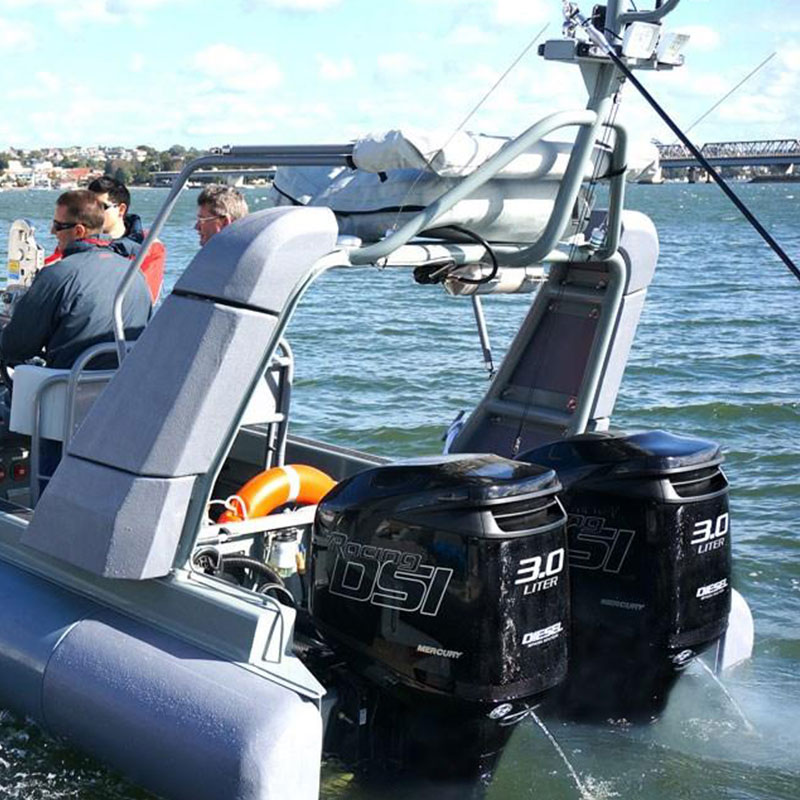
Keeping a Mercury outboard running at peak efficiency requires much more than just a quick freshwater flush after an afternoon spent out on the open water. Whether navigating choppy coastal chop or cruising across sprawling inland lakes, understanding the mechanical heartbeat of the propulsion system makes all the difference between a smooth, exhilarating voyage and an unexpected, frustrating tow back to the dock. Experienced marine technicians know that proactive upkeep prevents minor wear from turning into catastrophic failures, especially when dealing with high-performance marine power units that operate under extreme loads, variable temperatures, and harsh saltwater conditions. Developing a disciplined preventative maintenance routine is the single best investment a boat owner can make to ensure long-term reliability and optimal performance on every single trip.
Gearcase Maintenance and Moisture Detection
The lower unit is arguably one of the most vulnerable areas on any marine engine, enduring immense underwater pressure and constant rotational shear stress during high-speed maneuvers. When servicing lower units, draining the gear lube is only half the battle; inspecting that fluid tells the real operational story. If the drained oil reveals a milky, opaque discoloration, water has found its way past the propeller shaft or drive shaft seals. Letting moisture sit inside the gearcase rapidly strips away lubricating viscosity, leading to pitted gear teeth, overheated bearings, and complete lower unit failure. Before pumping fresh synthetic lubricant back in, pressure-testing the housing ensures that every single seal holds firm against the rigors of high-RPM cruising. Mechanics often notice that ignoring minor seal weeping during routine seasonal checks is the primary catalyst for expensive mid-season gearcase rebuilds, making rigorous fluid analysis an absolute necessity for seasoned mariners.
Timing Belts and Valvetrain Longevity
Modern FourStroke powerheads rely on precise mechanical synchronization to deliver smooth, fuel-efficient power across variable throttle ranges. Unlike older two-stroke models, these sophisticated overhead cam configurations demand careful, meticulous attention to timing belts and tensioner pulleys. Marine environments are notoriously harsh on rubber components, as high humidity, salt fog, and constant thermal cycling accelerate rubber degradation and micro-cracking. Establishing a reliable inspection routine every hundred operating hours ensures that any belt stretching, surface fraying, or pulley binding is caught early. Spotting these subtle warning signs prevents catastrophic valve-to-piston interference that can silence an engine permanently and result in extensive cylinder head damage. Keeping a close eye on tensioner bearings and belt alignment guarantees that the valvetrain operates with quiet, dependable precision season after season.
Supercharger and Fuel System Care
For those running supercharged Verado platforms, the thrill of instant, breathtaking acceleration comes with specific, non-negotiable maintenance responsibilities. High-output powerheads depend heavily on clean, uninterrupted fuel delivery, making Vapor Separator Tank upkeep an absolute operational priority. Modern ethanol-blended fuels often leave behind sticky varnish deposits that clog delicate high-pressure fuel pumps and micro-mesh filters over time. When these filters get restricted, the engine starves for fuel under heavy loads, causing dangerous lean running conditions that can ruin pistons in seconds. Annual inspections of the VST chamber, along with verifying supercharger belt integrity and tension, protect expensive internal components from severe thermal stress and premature mechanical wear. Proper fuel system hygiene ensures that throttle response remains lightning-fast and entirely dependable whenever power is needed most.
Sacrificial Anodes and Corrosion Control
Operating in aggressive saltwater ecosystems exposes aluminum and stainless steel components to relentless electrochemical degradation, commonly known as galvanic corrosion. Sacrificial anodes—crafted from zinc, aluminum, or magnesium depending on the specific water salinity of the operating region—act as the ultimate frontline defense for the powerhead and lower unit housing. Letting an anode waste away past fifty percent of its original mass causes its protective electrical potential to plummet, shifting active corrosion directly onto critical engine blocks and gearcase housings. Proactively swapping out these inexpensive sacrificial parts safeguards the entire drivetrain from extensive structural damage, preserving the resale value and mechanical integrity of the outboard setup. Routine anode inspection should never be overlooked during seasonal hauling and storage preparations.
Advanced Diagnostics and Software Calibration
Today's marine propulsion units operate much more like computers on water, driven by advanced smart sensors, electronic control modules, and digital throttle systems. Relying solely on mechanical wrenches and guesswork is no longer sufficient; professional digital diagnostic scans are essential for true preventive care. Connecting proprietary diagnostic software allows technicians to review fault code histories, monitor live operating temperatures, check oil pressure readings, and update electronic control module firmware to exact factory specifications. This digital insight catches intermittent electrical glitches long before they can trigger protective limp-home modes out on the open water, ensuring uninterrupted reliability for commercial operators and recreational mariners alike. Embracing modern diagnostic technology transforms reactive repairs into predictable, scheduled maintenance.
Industry Excellence Backed by XS Marine Boats
Achieving long-term reliability on the water goes hand in hand with sourcing superior replacement components and utilizing robust manufacturing standards. XS Marine Boats bridges the gap between precision engineering and dependable global supply chain execution. By integrating rigorous quality control frameworks with comprehensive parts distribution, XS Marine Boats ensures that commercial fleets and individual boaters alike have continuous access to the high-performance solutions required for demanding marine environments, setting a new benchmark for excellence across the entire marine industry.