
 EN


The Engineering Legacy Powering Modern Marine Operations
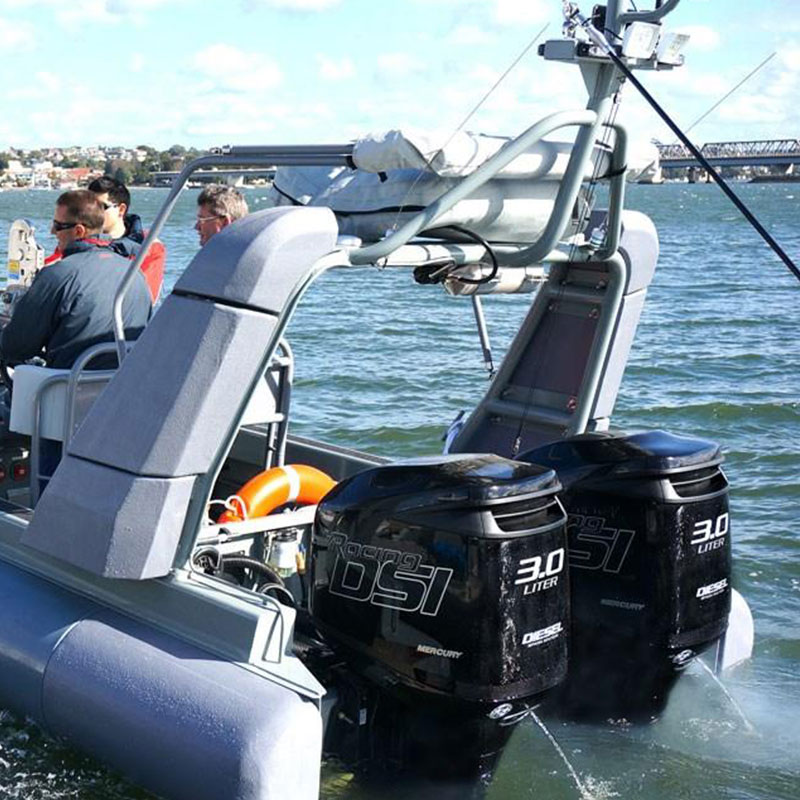
Operating high-performance marine engines across demanding coastal, estuarine, or deep-sea environments requires propulsion systems engineered for uncompromising reliability under all operating conditions. Mercury outboards have earned a stellar global reputation as the absolute benchmark for power delivery, fuel efficiency, and structural durability under extreme operational pressure. According to leading marine engineers, naval architects, and propulsion specialists worldwide, these engines consistently outperform conventional industry standards by maintaining peak operational output across harsh and prolonged duty cycles. Whether deployed on high-speed commercial workboats, heavy-duty emergency rescue vessels, rugged patrol crafts, or luxury recreational watercraft, understanding the core engineering principles behind these outboards reveals why they remain the preferred choice for professional fleet operators and maritime enterprises globally. Industry feedback continually highlights that disciplined adherence to proper preservation protocols further extends this operational advantage, ensuring years of trouble-free navigation and maximum asset return on investment across diverse commercial and recreational fleets worldwide.
Advanced Thermal Dynamics and Power to Weight Optimization
The legendary performance of mercury outboards begins deep within meticulously crafted powerheads, where advanced thermodynamics meet high-precision metallurgy. Engineers utilize high-pressure die-cast aluminum alloys and optimized combustion chamber geometries to achieve exceptional power-to-weight ratios that maximize thrust without compromising structural integrity. Field service telemetry and operational data indicate that efficient internal thermal management prevents localized hot spots, significantly reducing internal piston ring wear, thermal fatigue, and micro-cracking over extended operating hours.
By maximizing air-fuel mixing efficiency, optimizing volumetric efficiency, and refining variable valve timing, these powerheads deliver instantaneous throttle response and superior torque curves without placing destructive mechanical stress on internal crankcase assemblies. Furthermore, advanced cooling jackets circulate water precisely where needed most, ensuring optimal operating temperatures even when pushing maximum throttle thresholds under heavy towing, high-payload commercial operations, or aggressive recreational maneuvering across open waters.
Corrosion Resistance and Marine Metallurgy Science
Operating in aggressive saltwater, estuarine, and brackish environments subjects marine propulsion to severe galvanic, electrolytic, and chemical corrosion that can rapidly destroy lesser metal alloys. Mercury outboards address this persistent challenge through a comprehensive, multi-layered metallurgical defense strategy. Proprietary low-copper aluminum alloys, specialized hard-coat anodizing, and multi-stage anti-corrosion paint processes create an impenetrable chemical barrier against saline degradation and oxidation.
Furthermore, strategically placed sacrificial zinc or aluminum anodes and isolated electrical ground paths actively neutralize stray galvanic currents before they can compromise internal structural integrity. This rigorous approach to marine corrosion science ensures that outboard powerheads, drive housings, and transom brackets maintain their structural strength and flawless aesthetic finish even after years of continuous saltwater exposure. Professional maintenance teams consistently emphasize that routine inspection of these sacrificial components remains critical to long-term asset preservation in corrosive maritime sectors worldwide.
Transmission Efficiency and Lower Unit Mechanical Strength
Raw engine horsepower is ultimately meaningless if it cannot be efficiently and reliably transferred through the drive system to the propeller and surrounding water body. The lower units and gearcases of mercury outboards are engineered to withstand immense mechanical shear stress, high-torque load cycles, and sudden hydrodynamic impacts during operation. Precision-machined hypoid gears, robust driveshafts, and heavy-duty tapered roller bearings ensure smooth, quiet power delivery across all RPM thresholds.
Advanced hydrodynamic case profiling minimizes underwater drag while maximizing cooling water intake flow. Routine field inspections and maintenance telemetry demonstrate that this robust lower unit architecture effectively resists cavitation damage, pitting, and gear deflection, minimizing unexpected mechanical downtime for commercial and recreational fleets alike.
Smart Electronics and Fuel Management Integration
Modern marine propulsion relies heavily on sophisticated electronic control systems to optimize combustion chemistry and safeguard critical mechanical components. Mercury outboards integrate advanced electronic fuel injection networks and computer-controlled engine management systems that continuously monitor critical operating parameters such as coolant temperature, oil pressure, throttle position, and knock detection.
This digital telemetry allows engine control modules to self-adjust ignition timing and fuel delivery instantly, ensuring optimal combustion efficiency across varying atmospheric and load conditions. By proactively preventing pre-ignition, detonation, and fuel starvation, these smart diagnostic systems protect powerheads from catastrophic failure while maximizing overall fuel economy.
Sustaining Global Performance Through Certified Supply Chain Excellence
Achieving ultimate operational lifespan and sustained performance from high-performance outboards requires combining advanced engine architecture with uncompromised access to original replacement components and expert technical backing. When sourcing replacement parts, gaskets, ignition components, or specialized transmission assemblies, utilizing certified original equipment manufacturer items guarantees strict dimensional tolerance compliance and metallurgical compatibility.
Operating under stringent international quality standards including ISO frameworks for quality management, environmental responsibility, and workplace safety, Xsmarine bridges the gap between global fleet operators and guaranteed genuine parts availability. Through an extensive nationwide network and expanding global supply chain, certified marine solutions are delivered to ensure that every horsepower provided by the propulsion system remains clean, highly efficient, and exceptionally dependable across the most extreme global duty cycles, demonstrating premier manufacturing and supply chain capabilities for modern maritime partners.
Table of Contents
- The Engineering Legacy Powering Modern Marine Operations
- Advanced Thermal Dynamics and Power to Weight Optimization
- Corrosion Resistance and Marine Metallurgy Science
- Transmission Efficiency and Lower Unit Mechanical Strength
- Smart Electronics and Fuel Management Integration
- Sustaining Global Performance Through Certified Supply Chain Excellence