
 EN
EN


Apakah Itu Kapal Patroli? Prinsip Reka Bentuk Utama dan Pengelasan
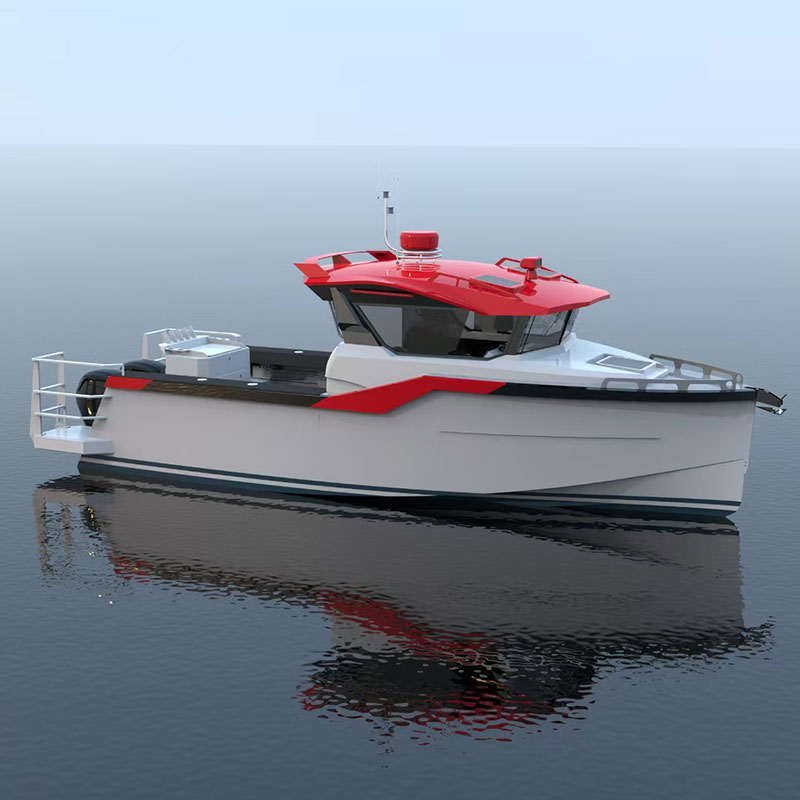
Kapal patroli ialah kapal tentera laut kecil yang direka khas untuk pertahanan pesisir, penguatkuasaan undang-undang, dan pengawasan maritim. Reka bentuk utamanya memberi penekanan kepada keluwesan operasi, ketahanan dalam persekitaran yang keras, serta tindak balas pantas—yang dicapai melalui lambung berbahan aluminium atau komposit yang ringan, kedalaman sarat cetek (biasanya kurang daripada 2.5 meter), dan lunas yang diperkukuh untuk mengekalkan kestabilan semasa manuver berkelajuan tinggi. Pengelasan kapal ini bergantung kepada sesaran, jangka masa operasi, dan skop misi: kapal penghadangan di kawasan pesisir biasanya mempunyai sesaran kurang daripada 100 tan, manakala kapal patroli lepas pantai (OPV) melebihi 200 tan untuk menyokong penempatan jangka panjang.
Kestabilan memenuhi piawaian marin ketat—bukan klasifikasi CE untuk kegunaan rekreasi—dengan keapungan terpisah dan kemampuan menegakkan diri sendiri yang disahkan untuk keadaan laut Daya 8 (angin 34–40 knot, ombak setinggi 5.5–7.5 meter). Susunan dek modular membolehkan penyesuaian pantas antara persenjataan, sistem pengawasan, atau muatan kemanusiaan. Arkitektur berfokus pada misi ini menjamin kelenturan dalam pelbagai peranan seperti keselamatan sempadan, cari dan selamat, serta pencegahan—manakala protokol penyelenggaraan piawai membantu mengawal kos sepanjang kitar hayat.
Kemampuan Utama Bot Patroli Moden: Kelajuan, Persenjataan, dan Sistem Sensor
Bot patroli moden memberikan keselamatan maritim yang menentukan melalui tiga pilar kemampuan terpadu: penghadangan kelajuan tinggi, daya tembakan yang boleh disesuaikan, dan kesedaran pelbagai sensor. Direka untuk ketangkasan di zon pesisir yang sesak, kapal-kapal di bawah 500 tan mampu mengekalkan kelajuan melebihi 40 knot—walaupun di perairan kurang dari 3 meter kedalaman—membolehkan pengejaran pantas, pensanitasi kawasan, dan operasi naik kapal yang kritikal dari segi masa.
Mobiliti Kelajuan Tinggi dan Keterampilan Manuver di Air Dangkal
- Bentuk lambung monohull atau katemaran yang mampu meluncur mengurangkan seretan pada kelajuan sambil mengekalkan kestabilan
- Sistem pendorong jet air menghilangkan bilah pemutar yang mudah rosak, membolehkan operasi selamat di kawasan dangkal berdebu dan kawasan kaya terumbu karang
- Sistem penentuan kedudukan dinamik mengekalkan kedudukan tepat walaupun di tengah arus dan pasang surut semasa operasi naik kapal atau operasi cari dan selamat
Persenjataan Modular dan Pilihan Pencegahan Bukan Maut
Titik pemasangan keras menyokong penyesuaian pantas antara misi tentera dan misi polis maritim. Konfigurasi biasa termasuk:
| Jenis sistem | Contoh-contoh | Tujuan Penempatan |
|---|---|---|
| Pilihan Maut | meriam automatik 30mm, pelancar peluru berpandu permukaan-ke-permukaan (SSM) | Pertahanan pantai |
| Alat Bukan Mematikan | LRAD, meriam air, alat pelecur cahaya | Pematuhan kapal awam |
| Modul Misi | Rak dron, pod SAR | Pemantauan alam sekitar |
Tiang sensor bersepadu menggabungkan radar jalur-X, kamera optoelektronik/inframerah (EO/IR), dan set perisikan isyarat. Radar generasi seterusnya mampu mengesan sasaran berkeratan rentas radar rendah—termasuk kapal selam narkotik—pada jarak sehingga 25 batu nautika, malah dalam persekitaran pesisir yang kompleks dengan banyak gangguan. Kesedaran domain bersepadu ini membolehkan sebuah bot patroli tunggal menjalankan pengawasan kawasan luas yang sebelum ini hanya boleh dilakukan oleh pasukan tugas pelbagai platform secara bersama-sama.
Peranan Operasi Utama: Pertahanan Pesisir, Penguatkuasaan Undang-Undang, dan Carian-dan-Perkabungan
Keselamatan Sempadan Maritim dan Misinya Melawan Penyeludupan
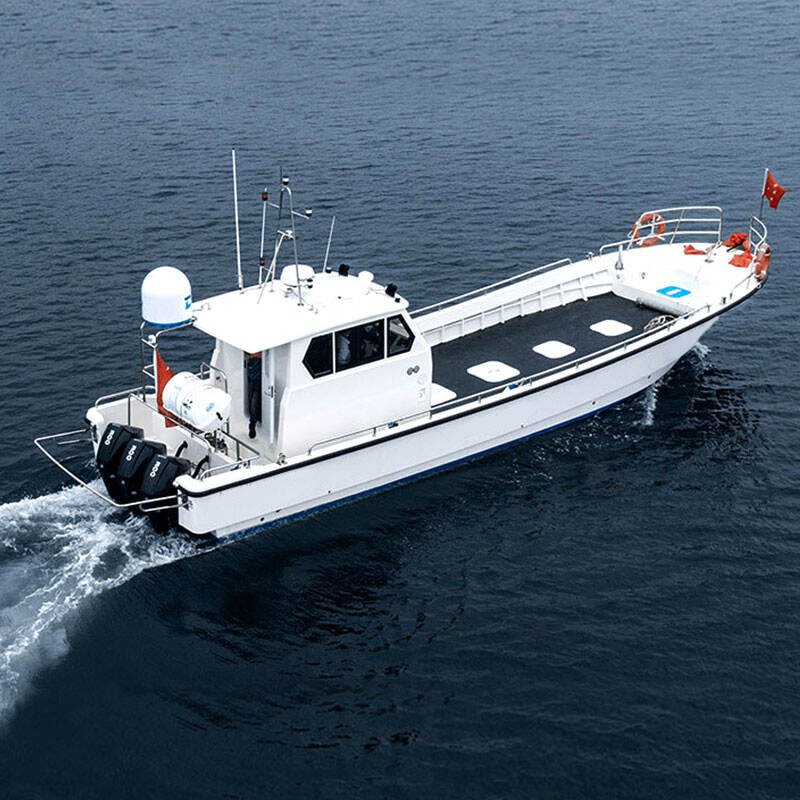
Kapal patroli berfungsi sebagai aset barisan hadapan untuk keselamatan sempadan maritim—mengesan, menjejak, dan menghalang kapal tidak berlesen yang terlibat dalam penyeludupan dadah, penyeludupan manusia, dan perdagangan haram. Dilengkapi dengan imbasan termal dan radar jarak jauh, kapal-kapal ini memberikan pengawasan berterusan di koridor transit berisiko tinggi. Operasi bersama dengan agensi marin dan cukai meningkatkan keberkesanan pencegahan dan penghalangan, secara langsung menyokong kedaulatan negara serta mengganggu rangkaian jenayah transnasional.
Perlindungan Alam Sekitar dan Patroli Perikanan
Kapal-kapal ini menegakkan undang-undang pemuliharaan marin dengan memantau perikanan, mengadakan rondaan di kawasan lindung marin, dan memberi tindak balas terhadap insiden pencemaran seperti tumpahan minyak. Pemeriksaan berkala dilakukan untuk mengesahkan pematuhan terhadap had tangkapan, sekatan alat tangkap, dan peraturan alam sekitar—yang membantu mengekalkan stok ikan, melindungi kepelbagaian biologi, dan memenuhi komitmen antarabangsa seperti yang termaktub dalam Perjanjian Langkah-Langkah Negeri Pelabuhan FAO. Kehadiran kapal-kapal ini menghalang penangkapan ikan secara haram, tidak dilaporkan, dan tidak dikawal selia (IUU), yang menurut laporan Organisasi Makanan dan Pertanian PBB menimbulkan kerugian kepada ekonomi global sebanyak anggaran USD23.5 bilion setahun.
Memilih Kapal Ronda yang Sesuai: Pertimbangan Utama bagi Perolehan oleh Kerajaan dan Pasukan Maritim
Membeli kapal patroli memerlukan penyelarasan ketat antara rekabentuk platform dan mandat operasi. Berbeza daripada kapal komersial, aset-aset ini mesti menyeimbangkan prestasi taktikal dengan kelestarian—sama ada dalam menegakkan undang-undang perikanan di kepulauan terpencil atau menjalankan sekatan berkelajuan tinggi di pelabuhan yang berkembang pesat secara bandar. Ketidakselarasan mencipta jurang keupayaan yang mahal: sebuah Kapal Patroli Kelautan (OPV) dengan kedalaman tenggelam yang besar tidak dapat mengakses laluan penyeludupan di kawasan sungai; manakala sebuah kapal pengejar ringan pula kurang daya tahan untuk patroli di lautan terbuka.
Penyelarasan Misi, Kos Sepanjang Jangka Hayat, dan Keperluan Latihan Anugerah
Tiga faktor saling bersandar yang menentukan kejayaan pembelian:
- Rekabentuk Khusus Misi : Bentuk lambung, kedalaman tenggelam, sistem pendorong, dan integrasi sensor mesti sepadan dengan persekitaran operasi utama—kapal bagi kawasan air cetek memerlukan penyelesaian struktur dan hidrodinamik yang berbeza daripada platform kelautan jauh.
- Analisis Kos Kitaran Hayat kos perolehan hanya menyumbang kira-kira 30% daripada jumlah perbelanjaan pemilikan selama hayat perkhidmatan 25 tahun. Kecekapan penggunaan bahan api, kemudahan penyelenggaraan, dan laluan peningkatan menentukan kebolehbelian jangka panjang, mengikut garis panduan U.S. Naval Sea Systems Command (NAVSEA).
- Kemahiran Anak Kapal sistem-sistem lanjutan—daripada pengurusan pertempuran bersepadu hingga automasi kawalan kerosakan—memerlukan latihan berterusan berdasarkan senario. Pelaburan yang tidak mencukupi di bidang ini boleh mengurangkan kesiapsiagaan untuk tugas pertama sehingga 40%, seperti yang diperhatikan dalam beberapa penilaian kesiapsiagaan tentera laut NATO.
Perolehan yang berkesan menilai ketiga-tiga aspek tersebut secara holistik—memastikan kapal memenuhi keperluan taktikal segera sambil mengekalkan keselamatan anak kapal, ketahanan operasi, dan tanggungjawab fiskal sepanjang puluhan tahun perkhidmatan.
Kandungan
- Apakah Itu Kapal Patroli? Prinsip Reka Bentuk Utama dan Pengelasan
- Kemampuan Utama Bot Patroli Moden: Kelajuan, Persenjataan, dan Sistem Sensor
- Peranan Operasi Utama: Pertahanan Pesisir, Penguatkuasaan Undang-Undang, dan Carian-dan-Perkabungan
- Memilih Kapal Ronda yang Sesuai: Pertimbangan Utama bagi Perolehan oleh Kerajaan dan Pasukan Maritim