
 EN
EN



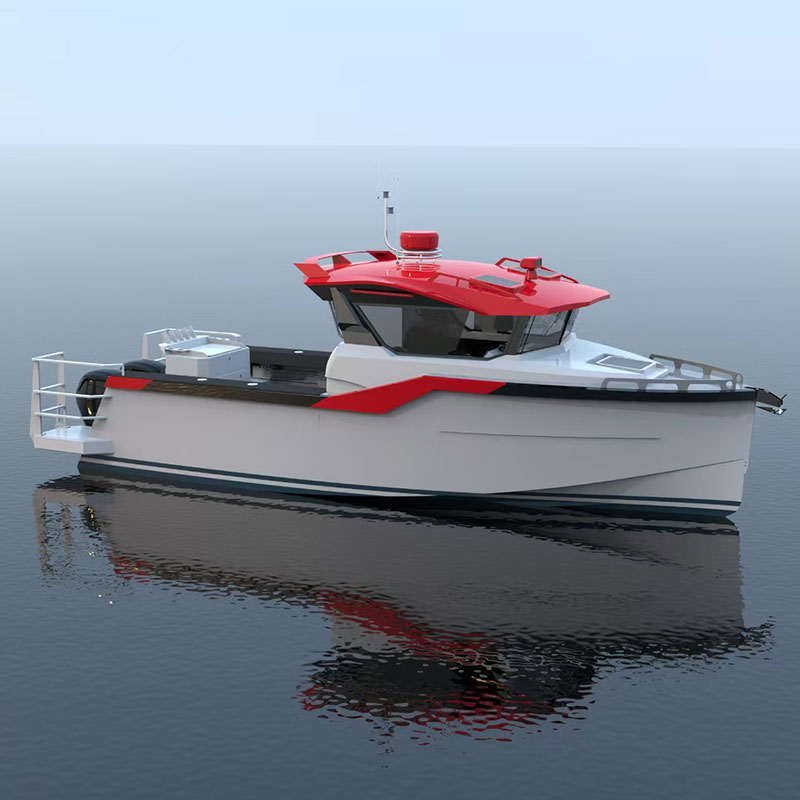
ما هي قوارب الدوريات؟ المبادئ الأساسية في التصميم والتصنيف
القارب الدورى هو وحدة بحرية صغيرة مصممة للدفاع الساحلى وإنفاذ القانون والمراقبة البحرية. وتُركِّز تصاميمه الأساسية على المرونة التشغيلية، والمتانة فى البيئات القاسية، والاستجابة السريعة — وذلك من خلال هيكل خفيف الوزن مصنوع من الألومنيوم أو مواد مركبة، وغاطس ضحل (غالبًا أقل من ٢٫٥ متر)، وقوس مُعزَّز لضمان الاستقرار أثناء المناورات عالية السرعة. ويتم التصنيف وفقًا للوزن الإزاحى، ومدى التحمل، ونطاق المهمة: فوحدات الاعتراض القريبة من الساحل تزن عادةً أقل من ١٠٠ طن، بينما تتجاوز قوارب الدوريات البحرية الخارجية (OPVs) ٢٠٠ طن لدعم عمليات النشر الممتدة.
تتميّز الاستقرار بالامتثال للمعايير البحرية الصارمة—وليس تصنيفات المركبات الترفيهية وفق المعيار الأوروبي (CE)—مع عوامِل طفو مقسَّمة إلى أقسام وقدرة على استعادة وضع التوازن تلقائيًّا، ومُصدَّقة للاستخدام في ظروف بحرية من الدرجة 8 (رياح بسرعة 34–40 عقدة، وأمواج ارتفاعها 5.5–7.5 متر). وتتيح تخطيطات السطح القابلة للتعديل بسهولة إعادة تكوينه بسرعة بين تركيب الأسلحة وأنظمة المراقبة أو حمولة الإغاثة الإنسانية. ويضمن هذا التصميم الذي يركِّز أولًا على المهمة قدرةً عالية على التكيُّف مع مهام تأمين الحدود، والبحث والإنقاذ، والاعتراض— بينما تساعد بروتوكولات الصيانة الموحَّدة في احتواء تكاليف دورة الحياة.
القدرات الرئيسية للقوارب الدورية الحديثة: السرعة، والتسليح، وأنظمة الاستشعار
توفر القوارب الدورية الحديثة أمنًا بحريًّا حاسمًا من خلال ثلاثة أعمدة متكاملة من القدرات: الاعتراض عالي السرعة، والقوة النارية القابلة للتكيُّف، والوعي المتعدد المستشعرات. وقد صُمِّمت هذه القوارب لتتميّز بالمرونة في المناطق الساحلية المزدحمة، حيث تحافظ السفن التي تقلّ كتلتها عن ٥٠٠ طن على سرعات تفوق ٤٠ عقدة— حتى في المياه التي لا يتجاوز عمقها ٣ أمتار— مما يمكّن من المطاردة السريعة، وتطهير المناطق، والعمليات الحرجة زمنيًّا لاقتحام السفن.
التنقل عالي السرعة والمناورة في المياه الضحلة
- تقلل أشكال الهيكل الأحادي أو ثنائي الهيكل (الكاتاماران) من مقاومة الماء عند السرعات العالية مع الحفاظ على الاستقرار
- توفر دفع التوربينات المائية إمكانية التشغيل الآمن في المناطق الضحلة المليئة بالحطام والمناطق الغنية بالشعاب المرجانية، وذلك باستبعاد المراوح الظاهرة المعرضة للخطر
- تحافظ أنظمة التموضع الديناميكي على ثبات دقيق في الموقع وسط التيارات والمد والجزر أثناء عمليات الصعود إلى القارب أو عمليات البحث والإنقاذ
تسليح قابل للتعديل وخيارات رادعة غير فتاكة
تدعم نقاط التثبيت إعادة التهيئة السريعة بين المهام العسكرية ومهام حفظ الأمن. وتشمل التكوينات الشائعة ما يلي:
| نوع النظام | أمثلة | الغرض من النشر |
|---|---|---|
| الخيارات الفتاكة | مدافع أوتوماتيكية عيار ٣٠ مم، ومنظومات إطلاق صواريخ مضادة للسفن | الدفاع الساحلي |
| أدوات غير قاتلة | أنظمة الإنذار الصوتي بعيد المدى (LRAD)، ورشاشات المياه، وأجهزة إبهار الأهداف | امتثال السفن المدنية |
| وحدات المهمات | حوامل الطائرات المسيرة، ووحدات البحث والإنقاذ الجوي (SAR) | مراقبة البيئة |
أبراج الاستشعار المتكاملة التي تجمع بين رادار نطاق X، وكاميرات التصوير الكهرو-بصري/الكثير الحراري (EO/IR)، ومجموعات استخبارات الإشارات. وتستطيع أجهزة الرادار من الجيل التالي اكتشاف الأهداف ذات المقطع العرضي الراداري المنخفض (low-RCS)—مثل الغواصات المستخدمة في الاتجار بالمخدرات—على مسافات تصل إلى ٢٥ ميلاً بحرياً، حتى في البيئات الساحلية عالية التشويش. ويتيح هذا الوعي المدمج عبر المجالات لقارب دورية واحد أداء مهام المراقبة على نطاق واسع، والتي كانت تقتصر سابقاً على قوات مهام متعددة المنصات المنسَّقة.
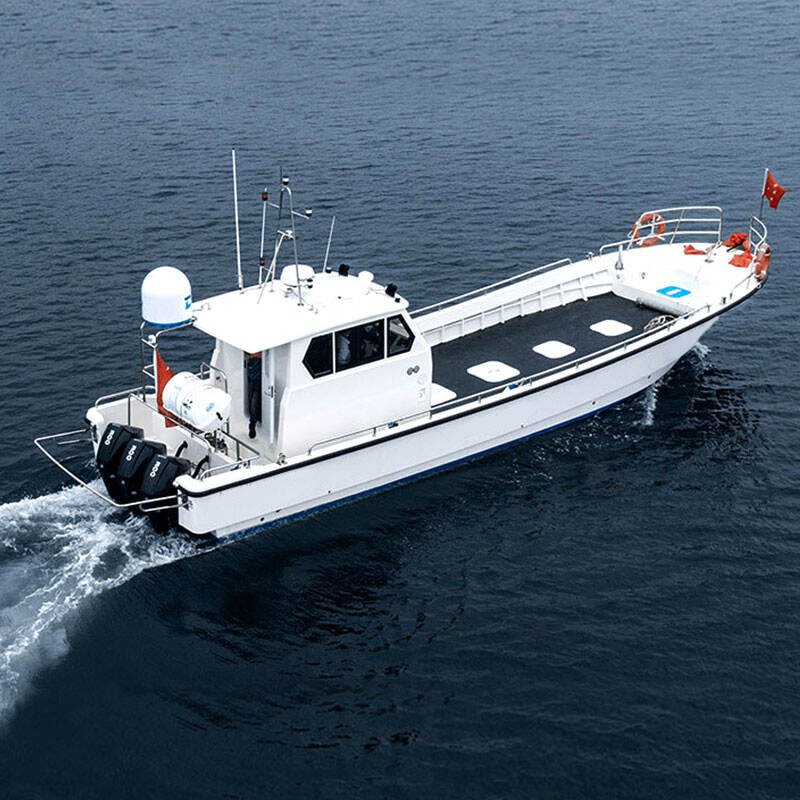
الأدوار التشغيلية الرئيسية: الدفاع الساحلي، وإنفاذ القانون، والبحث والإنقاذ
أمن الحدود البحرية ومكافحة التهريب
تُعَدّ قوارب الدوريات أصولاً أماميةً لأمن الحدود البحرية، حيث تُستخدم لكشف السفن غير المصرح لها التي تشارك في الاتجار بالمخدرات والتهريب البشري والتجارة غير المشروعة، وتتبعها واعتراضها. ومزودةٌ بأنظمة تصوير حراري ورادار بعيد المدى، ما يتيح لها إجراء مراقبة مستمرة عبر ممرات العبور عالية الخطورة. كما أن العمليات التنسيقية مع وكالات خفر السواحل والجمارك تعزِّز من فعالية الردع والاعتراض، وتدعم مباشرةً سيادة الدولة وتعطّل الشبكات الإجرامية العابرة للحدود.
حماية البيئة ودوريات مصائد الأسماك
تُطبِّق هذه السفن قوانين حماية المحيطات من خلال رصد مصائد الأسماك، ودوريات المناطق البحرية المحمية، والاستجابة لحوادث التلوث مثل تسربات النفط. وتتحقق عمليات التفتيش الدورية من الامتثال لحدود الكميات المصطادة، والقيود المفروضة على أدوات الصيد، واللوائح البيئية— مما يسهم في الحفاظ على مخزونات الأسماك، وحماية التنوُّع البيولوجي، والوفاء بالالتزامات الدولية مثل تلك المنصوص عليها في اتفاق تدابير دولة الميناء التابع لمنظمة الأغذية والزراعة التابعة للأمم المتحدة (FAO). كما أن وجود هذه السفن يردع أنشطة الصيد غير المشروع وغير المبلَّغ عنه وغير المنظم (IUU)، والتي تكلِّف الاقتصاد العالمي ما يقدَّر بـ 23.5 مليار دولار أمريكي سنويًّا، وفقًا لتقرير صادر عن منظمة الأمم المتحدة للأغذية والزراعة.
اختيار قارب الدوريات المناسب: اعتبارات رئيسية لمشتريات الجهات الحكومية وحرس السواحل
يتطلب شراء قوارب الدوريات مواءمة دقيقة بين تصميم المنصة والولاية التشغيلية. وعلى عكس السفن التجارية، يجب أن توازن هذه الأصول بين الأداء التكتيكي والاستدامة—سواءً في إنفاذ قوانين مصايد الأسماك في الأرخبيلات النائية أو في تنفيذ عمليات الاعتراض عالية السرعة في الموانئ المُدنية المزدحمة. وتؤدي عدم المواءمة إلى فجواتٍ تكاليفيةٍ في القدرات: فقارب الدوريات ذي الغاطس العميق لا يمكنه الوصول إلى طرق التهريب النهرية؛ بينما يفتقر القارب الخفيف المُستخدم في الاعتراض إلى المدى الزمني الكافي لتنفيذ دوريات في أعالي البحار.
مواءمة المهمة، وتكاليف دورة الحياة، ومتطلبات تدريب الطاقم
ثلاثة عوامل مترابطة تحدد نجاح عملية الشراء:
- التصميم الخاص بالمهمة : يجب أن يتطابق شكل الهيكل الخارجي، وعمق الغاطس، ونظام الدفع، وتكامل أجهزة الاستشعار مع البيئة التشغيلية الأساسية—إذ تتطلب القوارب العاملة في المياه الضحلة حلولاً هيكلية وهيدروديناميكية مختلفة عن تلك المخصصة للمنصات العاملة في المياه العميقة.
- تحليل تكلفة دورة الحياة تُشكِّل تكلفة الاكتساب ما نسبته حوالي ٣٠٪ فقط من إجمالي نفقات الملكية على مدى عمر خدمة يبلغ ٢٥ عامًا. أما الكفاءة في استهلاك الوقود، وسهولة الصيانة، ومسارات الترقية فهي العوامل التي تُحقِّق الجدوى الاقتصادية على المدى الطويل، وفقًا لإرشادات قيادة أنظمة البحريات التابعة للبحرية الأمريكية (NAVSEA).
- كفاءة الطاقم تتطلَّب الأنظمة المتقدِّمة — بدءًا من أنظمة الإدارة القتالية المتكاملة ووصولًا إلى أتمتة أنظمة مكافحة التلف — تدريبًا مستمرًا قائمًا على السيناريوهات. وقد يؤدي النقص في الاستثمار في هذا المجال إلى خفض جاهزية الوحدة للنشر الأولي بنسبة تصل إلى ٤٠٪، كما لوحظ في عدة تقييمات أجرتها حلف شمال الأطلسي (الناتو) لتقييم جاهزية القوات البحرية.
يُعد الشراء الفعّال تقييمًا شاملاً لجميع هذه العوامل الثلاثة معًا، مما يضمن أن تفي السفن بالاحتياجات التكتيكية الفورية مع الحفاظ في الوقت نفسه على سلامة الطاقم والمرونة التشغيلية والمسؤولية المالية طوال عقود الخدمة.