
 EN
EN


Eficiență energetică superioară și cost total de deținere (TCO) redus
Motoare exterioare diesel versus motoare exterioare pe benzină: creșterea reală a eficienței energetice în ciclurile de funcționare comerciale
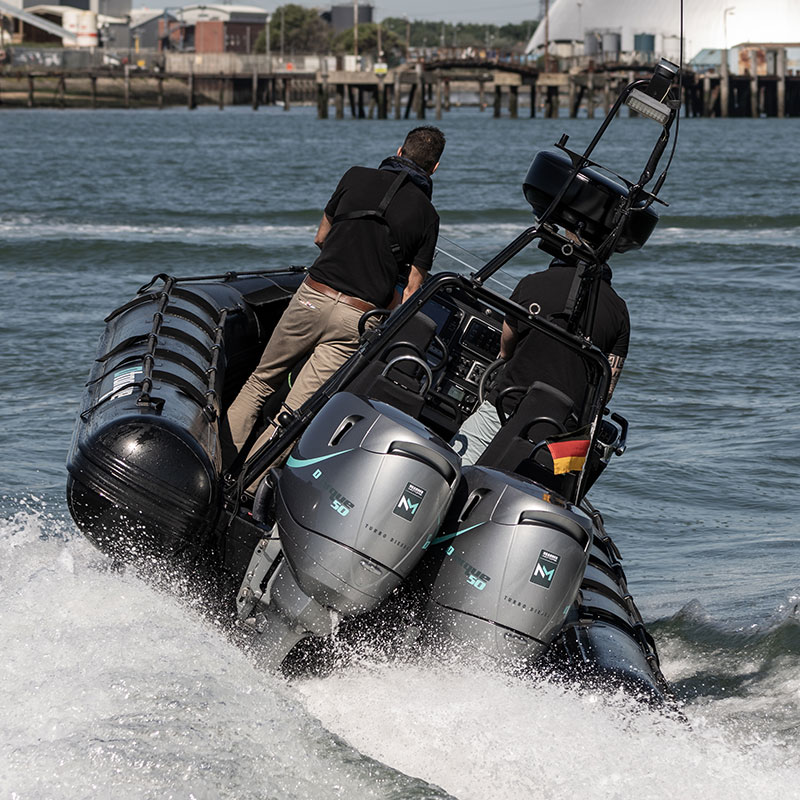
Motoarele diesel exterioare oferă o eficiență cu 20–30% superioară în consumul de combustibil față de echivalentele lor pe benzină în timpul operațiunilor comerciale continue—cum ar fi pescuitul lent (trolling), patrularea sau transportul echipajului—datorită densității energetice mai mari a motorinei (128.700 BTU/galon comparativ cu 116.090 BTU/galon pentru benzină) și arderii în amestec sărac. Testele independente arată că unitățile diesel consumă 1,8–2,4 galoni pe oră la viteză de croazieră, sub sarcini identice, comparativ cu 2,5–3,5 galoni pentru modelele pe benzină. Pentru un motor de 200 CP care funcționează 1.500 de ore anual, acest lucru se traduce printr-o economie de peste 3.000 de galoni pe an—reducând costurile cu combustibilul cu 12.000–18.000 USD la prețurile actuale.
Intervale extinse între revizii și frecvență redusă a întreținerii conduc la economii pe termen lung
Avantajele costului total de proprietate (TCO) se extind mult dincolo de combustibil. Motoarele diesel exterioare necesită schimbarea uleiului la fiecare 500 de ore de funcționare — de cinci ori mai rar decât motoarele pe benzină (la intervale de 100 de ore) — iar intervalele de service pentru componente importante sunt de 2–3 ori mai lungi. Acest lucru se datorează construcției robuste (de exemplu, arbore cotit și cămăși de cilindru întărite), funcționării la turații mai joase, care reduce uzura lagărelor și supapelor, precum și sistemelor de aprindere simplificate — eliminând cauzele posibile de defectare, cum ar fi bujiile, bobinele și carburatoarele. Operatorii comerciali raportează costuri anuale de întreținere cu 40 % mai mici și cicluri de reparații capitale care depășesc 8.000 de ore, dublând eficient durata de viață în scenarii de utilizare intensivă.
Cuplu, durabilitate și fiabilitate operațională fără egal
Cuplu ridicat la turații joase pentru remorcare, pescuit cu plasă și manevrare în ape puțin adânci sub sarcină
Motoarele diesel exterioare generează până la 30% mai mult cuplu la turații joase decât unitățile comparabile pe benzină — oferind imediat putere utilizabilă în gamele critice de turații. Acest lucru permite navelor comerciale să tragă plase grele, să manevreze cu precizie în ape puțin adânci sub sarcină maximă și să mențină controlul în timpul sarcinilor dinamice, cum ar fi dragarea sau implementarea echipamentelor. Profilul cuplului răspunzător minimizează solicitarea transmisiei în cazul schimbărilor bruște de sarcină, în același timp sprijinind o eficiență optimă a consumului de combustibil în ciclurile de funcționare solicitante.
Durabilitate dovedită: 8.000–12.000 de ore până la reparația majoră, comparativ cu 3.000–5.000 de ore pentru omologii pe benzină
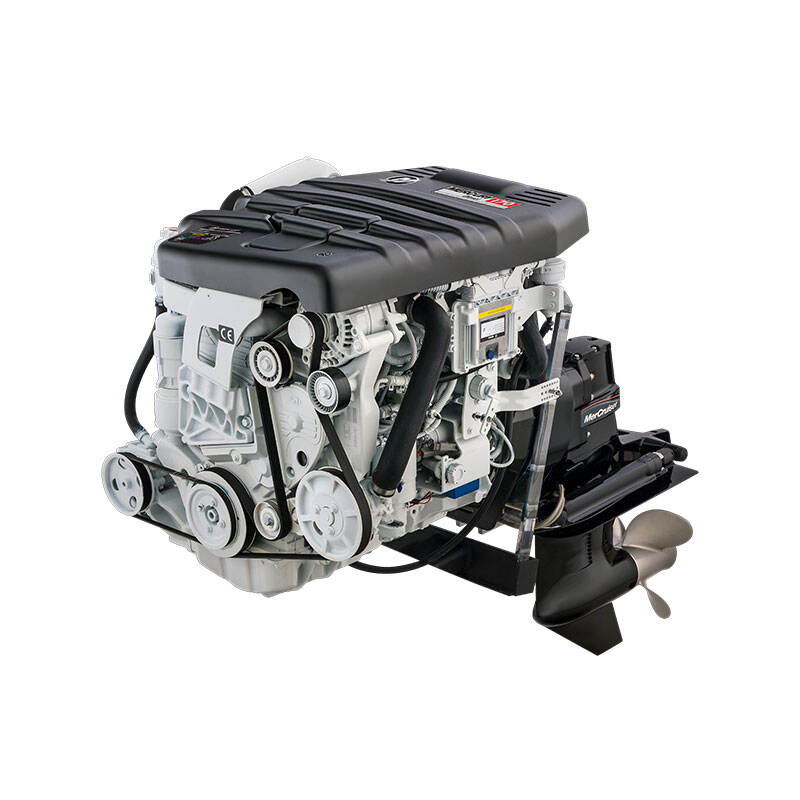
Construite pentru utilizare comercială continuă, motoarele marime diesel funcționează 8.000–12.000 de ore înainte de o revizie majoră — de trei ori mai mult decât durata de viață tipică a motoarelor marime pe benzină. Această durabilitate este realizată prin blocuri din fontă, arburi cotiți îndurăți și sisteme avansate de filtrare marine, concepute pentru a rezista coroziunii. Rezultatul este nu doar o durată de viață extinsă, ci și beneficii economice măsurabile: cu 40% mai puține întrețineri programate, 2–3 ani între intervențiile majore și o valoare reziduală cu 25–30% mai mare după cinci ani — sprijinind costurile predictibile pe întreaga durată de viață și un randament mai ridicat al investiției (ROI) pentru flotă.
Siguranță sporită și avantaje reglementare pentru flotele comerciale
Risc redus de inflamabilitate datorită punctului de aprindere ridicat al motorinei, ceea ce îmbunătățește siguranța la bord
Punctul de aprindere ridicat al motorinei (52–96 °C comparativ cu –43 °C la benzină) reduce în mod semnificativ riscul de aprindere în timpul operațiunilor maritime—în special în apropierea surselor de aprindere sau în timpul alimentării cu combustibil. Conform datelor NFPA 2023, volatilitatea redusă a motorinei contribuie la o rată cu 62 % mai mică a incidentelor legate de incendii provocate de combustibil în medii maritime. Această avantaj intrinsec de siguranță sporește protecția echipajului în timpul activităților cu risc ridicat, cum ar fi tragerea plaselor și transferul de combustibil între rezervoare—iar acest lucru se dovedește deosebit de valoros în compartimentele motorului închise, unde ventilarea este limitată.
Conformitate simplificată cu normele IMO Tier III și UE MRV, prin intermediul infrastructurii existente pentru motorină
Flotele comerciale care adoptă motoarele cu aprindere prin comprimare exterioare beneficiază de infrastructura existentă pentru manipularea motorinelor, permițându-le să îndeplinească standardele stricte privind emisiile — inclusiv limitele privind oxizii de azot conform normei IMO Tier III și cerințele UE privind monitorizarea, raportarea și verificarea (MRV) — fără investiții costisitoare în modernizări. Depozitarea la bord, sistemele de transfer și protocoalele de instruire a echipajului sunt aliniate direct cu așteptările reglementare. Principalele societăți de clasificare confirmă că navele care dispun de proceduri documentate privind utilizarea motorinei obțin certificarea cu 47 % mai rapid decât cele care implementează sisteme noi de combustibil. Documentația simplificată privind întreținerea și raportarea emisiilor reduce, de asemenea, povara auditurilor și ajută la evitarea unor penalități medii de 18.000 USD pe navă, conform Maritime Compliance International (2023).
Adoptare rapidă pe piață în principalele segmente de nave comerciale
Sectorul comercial maritim adoptă rapid motoarele diesel exterioare în diverse categorii de nave — validând performanța acestora în condiții reale exigente. Flotele de pescuit le preferă datorită autonomiei extinse în largul mării și rezistenței superioare la coroziunea în apă sărată, permițând operațiuni neîntrerupte în timpul sezonului de recoltare de vârf. Operatorii de feriboturi pentru pasageri raportează o reducere a timpului planificat de nefuncționare cu 20–30 % comparativ cu propulsia pe benzină — îmbunătățind fiabilitatea pe traseele cu trafic intens. Vehiculele de patrulare portuară și cele utilizate de piloti beneficiază de cuplul instantaneu ridicat la turații joase pentru accelerare rapidă în situații de urgență, în timp ce operatorii din acvacultură profită de eficiența energetică pentru cicluri de hrănire și monitorizare rentabile. Operatorii de salvare apreciază riscul redus de incendiu atunci când lucrează în apropierea materialelor inflamabile. Analiza pieței arată cea mai rapidă adoptare în cazul ambarcațiunilor de lucru cu lungime peste 30 de picioare, unde modelarea costurilor pe întreaga durată de viață favorizează clar motoarele diesel. Având deja infrastructura portuară adaptată alimentării cu combustibil diesel și întreținerii acestora, conformitatea cu reglementările devine fluentă — consolidând tranziția motoarelor diesel exterioare de la soluție de nișă la sistem de propulsie marină principală.