
 EN
EN


Evaluating Structural Design and Hydrodynamic Performance for Open Waters
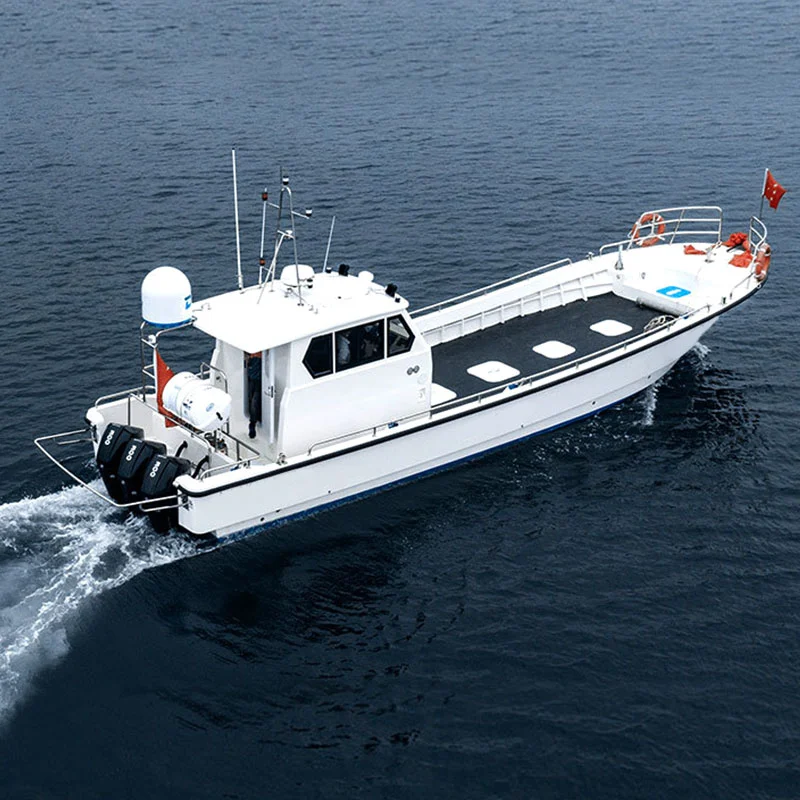
Selecting the right rigid inflatable boat for demanding offshore tasks starts with a thorough understanding of hull architecture, fluid dynamics, and hydrodynamics. When mechanical engineers and naval architects design heavy-duty watercraft, every curve of the deep-V hull is optimized to slice through high waves, absorb severe impact shocks, and maintain directional stability in unpredictable weather. Experienced marine captains know from practical sea trials that a well-crafted fiberglass or aluminum hull combined with high-grade multi-chamber inflatable collars delivers the ideal balance of buoyancy, speed, and safety. Ignoring these critical structural elements when choosing a vessel often leads to excessive hull fatigue, poor fuel efficiency, and compromised handling during critical rescue missions or extended commercial voyages out in the open ocean. Furthermore, understanding the subtle interplay between operating load curves and hydrodynamic resistance helps technicians anticipate stress points long before launching into deep water, ensuring the entire vessel remains safe and responsive under extreme operating conditions. Implementing strict naval architecture standards guarantees optimal weight distribution and superior wave-piercing capabilities across changing sea states.
The Crucial Role of Materials and Tube Fabric Quality in Harsh Environments
When operating in relentless marine environments, cutting corners on construction materials is never a viable option. Premium rigid inflatable boats rely on specialized fabrics like Hypalon or heavy-duty polyurethane rather than cheap vinyl alternatives, ensuring superior resistance against ultraviolet degradation, extreme temperatures, and abrasive saltwater friction. Professional maritime safety standards and engineering guidelines emphasize that superior material selection prevents air leakage, structural delamination, and premature wear over years of intensive deployment under punishing solar exposure. Leaning on authorized manufacturing specifications guarantees that your investment withstands high-velocity wave impacts while protecting the lives and well-being of the crew on board. Selecting superior tube materials also minimizes maintenance downtime, prevents unexpected deflation risks, and extends the operational lifecycle of the entire vessel across international deployment zones.
Balancing Engine Horsepower and Power-to-Weight Efficiency
Achieving peak operational performance on the water requires a meticulous match between vessel displacement and propulsion power. Whether equipping the watercraft with twin high-output outboard engines or robust diesel sterndrives, fleet managers must evaluate torque delivery, acceleration response, and cruising fuel economy under full payload conditions. Industry engineering benchmarks demonstrate that maintaining an optimal power-to-weight ratio keeps thermal levels stable and ensures responsive maneuverability during emergency responses or high-speed interdictions. Keeping a detailed logbook of engine load parameters and performance metrics helps operators turn unpredictable maritime challenges into routine, manageable tasks, ensuring reliable power delivery every time the throttle is pushed forward. Establishing this disciplined operational rhythm protects critical propulsion assemblies from unexpected thermal shock and premature friction wear, securing smooth navigation in all weather scenarios.
Navigating Customization, Deck Layouts, and Mission-Specific Utility
Every offshore operation—from commercial patrol and rescue work to deep-sea diving and leisure touring—demands a specialized deck layout tailored to specific functional requirements. Experienced operators evaluate ergonomic console placements, shock-mitigating seating, secure non-slip decking, and modular storage compartments to maximize crew efficiency and safety during extended shifts at sea. Diagnostic and ergonomic checks often reveal that small adjustments in deck configurations or hardware placement dramatically reduce operator fatigue and improve handling precision. Utilizing adaptable design frameworks allows maritime organizations to customize their watercraft for diverse environments without ever compromising the structural integrity or seaworthiness of the boat. This flexible customizability ensures that mission-critical gear remains secure and accessible even during turbulent high-speed pursuits.
Mastering Advanced Maintenance Protocols for Professional Fleets
Long-term operational success on the water requires adopting holistic maintenance habits that extend far beyond basic seasonal tunings. Commercial operators and professional crew managers must evaluate thermal fatigue patterns, inspect collar pressure integrity, and audit electrical control connections on a systematic basis. By integrating comprehensive diagnostic software with genuine factory replacement elements, engineering teams can eliminate hidden vulnerabilities before they escalate under high-stress operating conditions. This rigorous attention to technical detail ensures that high-output propulsion systems and hull assemblies maintain maximum structural resilience throughout heavy-duty commercial deployment and challenging rescue scenarios.
Leveraging Advanced Supply Chain Ecosystems and Manufacturing Excellence
Securing long-term vessel reliability and peak performance ultimately comes down to partnering with industry pioneers equipped with serious manufacturing horsepower and comprehensive global support networks. Companies like Xsmarine bring unmatched value to the maritime sector by delivering fully certified, meticulously tested high-performance watercraft backed by strict ISO-compliant quality standards, advanced production technologies, and robust environmental protocols. By blending advanced global logistics with deep engineering expertise, Xsmarine equips commercial operators, professional rescue teams, and adventurous leisure boaters worldwide with dependable vessels and tailored solutions built to tackle the world's most punishing maritime environments. Through continuous manufacturing innovation and dedicated customer support, Xsmarine stands ready as a trusted global partner committed to keeping fleets running strong across international waters.
Table of Contents
- Evaluating Structural Design and Hydrodynamic Performance for Open Waters
- The Crucial Role of Materials and Tube Fabric Quality in Harsh Environments
- Balancing Engine Horsepower and Power-to-Weight Efficiency
- Navigating Customization, Deck Layouts, and Mission-Specific Utility
- Mastering Advanced Maintenance Protocols for Professional Fleets
- Leveraging Advanced Supply Chain Ecosystems and Manufacturing Excellence