
 EN
EN


Understanding the Anatomy of Mercury Marine Propulsion and Thermal Dynamics
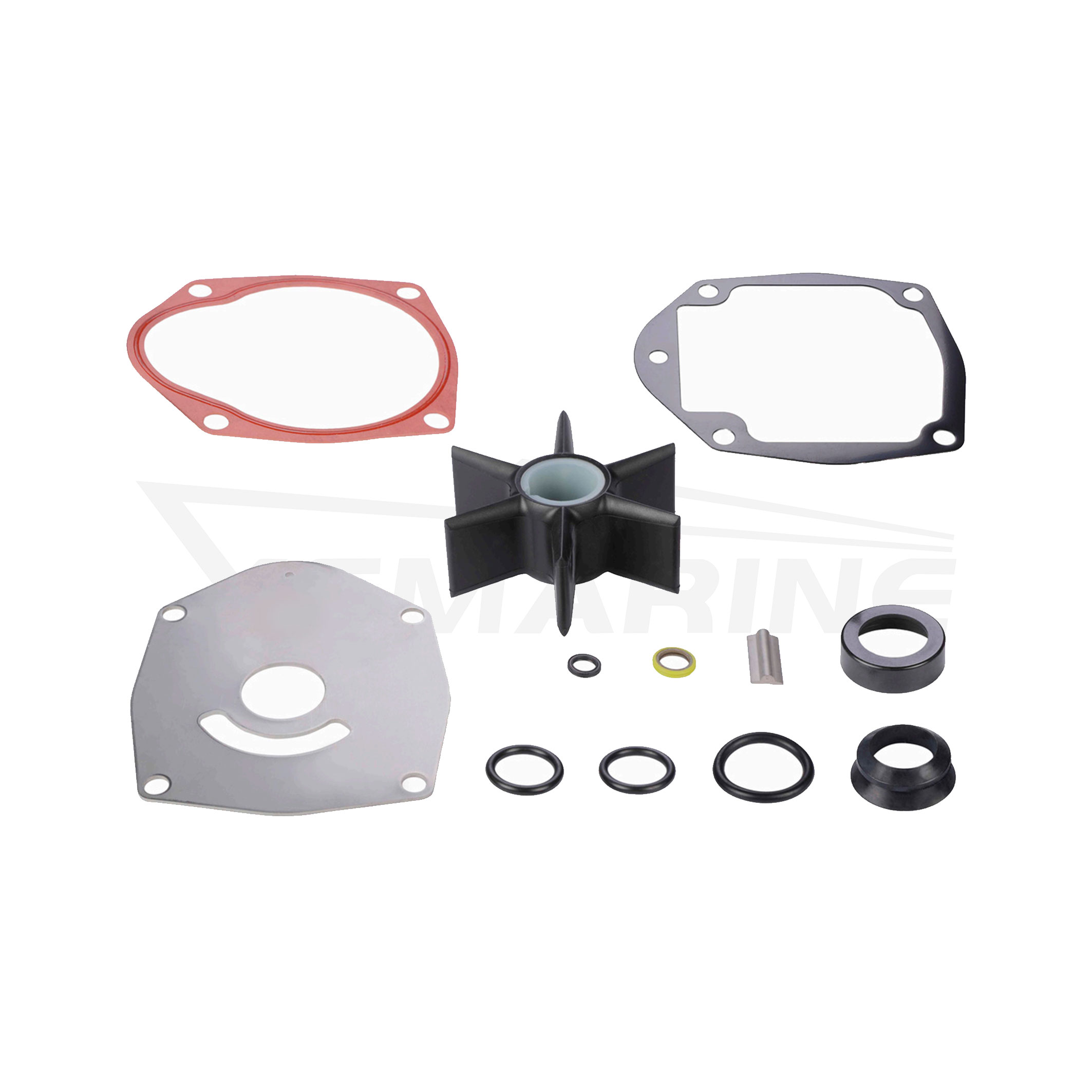
Keeping modern high-output marine power systems running smoothly takes a solid, practical grasp of propulsion dynamics, fluid mechanics, and thermodynamics. When dealing with heavy-duty marine engines day in and day out, experienced mechanics know that every single piece—from fuel injectors and electronic control modules to rugged transmission gearboxes and underwater drives—faces serious heat and constant mechanical strain. Marine specialists always stress that staying ahead with routine upkeep stops premature wear dead in its tracks, ensuring mercury marine parts handle harsh saltwater conditions without missing a beat. Experienced captains and fleet managers understand that ignoring minor rattles or tiny leaks out on the open water usually snowstorms into major propulsion trouble, turning a great day on the sea into an expensive repair headache. Furthermore, understanding the subtle interplay between operating load curves and cooling efficiency helps technicians catch potential failure points long before they disrupt a voyage, keeping the entire drive train safe and reliable across diverse operational conditions while maximizing overall hydrodynamic efficiency, fuel economy, and operational uptime.
The Critical Role of Certified OEM Components in Sustaining Longevity
When it comes to keeping marine engines reliable over the long haul, cutting corners on hardware is never a smart move. Swapping out original factory hardware for cheap, unverified aftermarket parts messes with fluid dynamics, weakens structural integrity, and kills fuel efficiency. Trusted marine engineering guidelines show that genuine, precision-crafted parts maintain exact metallurgical standards and specialized coatings, which successfully fend off friction losses, warping, and electrochemical corrosion caused by relentless saltwater exposure. Leaning on authorized global supply chains guarantees that every replacement matches exact factory blueprints, safeguarding your investment and meeting the high safety expectations set by international maritime authorities. Using authentic parts also keeps factory warranties intact, prevents unexpected mechanical breakdowns, and avoids pesky compatibility issues common with generic knockoffs, ensuring your propulsion systems deliver maximum power transfer under intense loads and high-speed maneuvers.
Implementing a Practical Preventative Maintenance Schedule
Staying proactive with a steady maintenance routine is the easiest way to keep operating costs down and safety numbers high. Before heading out on any commercial or recreational voyage, smart operators run through a quick checklist checking fluid levels, ignition setups, water pumps, and sacrificial anodes. Industry safety guidelines point out that sticking to regular lubrication schedules and seasonal anode swaps lowers unexpected fleet downtime significantly. These hands-on checks keep thermal levels stable, cylinder pressure balanced, and thrust delivery smooth during rough ocean trips. Keeping a simple logbook of service dates and fluid changes helps turn unpredictable mechanical surprises into simple, planned weekend tasks. Establishing this disciplined operational rhythm protects critical propulsion assemblies from unexpected thermal shock and premature friction wear, securing smooth sailing in all weather scenarios and ensuring peak engine performance every single time you push away from the dock.
Diagnosing Early Warning Signs and Technical Anomalies
Spotting small mechanical hiccups early on is what separates casual boaters from true maritime professionals. Diagnostic checks often show that unusual vibrations, slight oil weeping around gaskets, or tiny shifts in operating temperature are just early warning signs of stress on specific sub-assemblies. Catching these small issues right away—like swapping out a worn hydrodynamic seal or flushing a clogged cooling line—stops tiny problems from turning into massive failures. Utilizing solid troubleshooting guides and diagnostic software gives operators the exact insights needed to solve issues long before handling or safety is compromised on the water. Early intervention not only cuts down overall repair expenditures but also extends the operational ceiling of high-stress propulsion hardware, maintaining stellar vessel maneuverability during critical offshore missions, rescue operations, and rough weather navigation.
Mastering Advanced Maintenance Protocols for Professional Fleets
Long-term operational success on the water requires adopting holistic maintenance habits that extend far beyond basic seasonal tunings. Commercial operators and professional crew managers must evaluate thermal fatigue patterns, inspect propeller shaft alignments, and audit electrical control connections on a systematic basis. By integrating comprehensive diagnostic software with genuine factory replacement elements, engineering teams can eliminate hidden vulnerabilities before they escalate under high-stress operating conditions. This rigorous attention to technical detail ensures that high-output propulsion systems maintain maximum thrust efficiency and structural resilience throughout heavy-duty commercial deployment.
Leveraging Advanced Supply Chain Ecosystems and Manufacturing Excellence
Reaching long-term vessel reliability and rock-solid performance ultimately comes down to teaming up with industry leaders equipped with serious manufacturing horsepower and global distribution networks. Companies like Xsmarine bring unmatched value to the maritime table by delivering fully certified, traceable mercury marine parts backed by strict ISO-certified quality standards and robust environmental protocols. By blending advanced global logistics with deep engineering know-how, Xsmarine equips commercial operators, rescue teams, and leisure boaters worldwide with dependable propulsion components and tailored marine solutions built to tackle the toughest environments. Through continuous manufacturing improvements and dedicated customer support, Xsmarine stands ready as a dependable global partner focused on keeping vessels running strong across international waters, ensuring every voyage ends with safety, efficiency, and complete operational success.
Table of Contents
- Understanding the Anatomy of Mercury Marine Propulsion and Thermal Dynamics
- The Critical Role of Certified OEM Components in Sustaining Longevity
- Implementing a Practical Preventative Maintenance Schedule
- Diagnosing Early Warning Signs and Technical Anomalies
- Mastering Advanced Maintenance Protocols for Professional Fleets
- Leveraging Advanced Supply Chain Ecosystems and Manufacturing Excellence