
 EN


The Evolving Demands of Offshore Industrial Projects and Workboat Adaptability
When you look at offshore industrial projects—whether it is building sprawling wind farms out at sea or keeping deep-water oil platforms running smoothly—you are looking at some of the toughest working conditions on earth. Project managers, marine logistics supervisors, and fleet operators in these high-stakes sectors face a constant balancing act. They need to keep operational efficiency high, minimize equipment downtime, and control budgets while battling completely unpredictable ocean weather. After years of talking closely with commercial mariners, shipbuilders, and fleet owners, one major lesson stands out: having a versatile vessel is no longer just a nice extra perk. It is the absolute core of making a maritime project profitable and successful. A truly adaptable workboat acts like the ultimate Swiss Army knife for marine jobs, effortlessly shifting between heavy towing, moving crew members around, hauling deck cargo, and handling emergency backup tasks without needing a massive, expensive fleet swap.
Multi-Role Capabilities: Bridging the Gap Between Towing, Cargo, and Support
Big offshore jobsites rarely follow a rigid, one-trick schedule. If a boat is locked into just a single specialized task, it quickly creates annoying bottlenecks. Project managers end up having to rent multiple single-purpose vessels just to get things done, which blows up budgets and turns port coordination into a nightmare. On the flip side, a truly multi-role workboat comes equipped with tough, reinforced deck space, heavy-duty towing winches, dynamic positioning capabilities, and adaptable modular setups. Because of this design flexibility, the exact same boat can haul bulk supplies and replacement parts early in the morning, help out with tricky anchor handling around midday, and switch over to supporting underwater remotely operated vehicles or divers by evening. Industry feedback shows that multi-purpose support vessels can significantly reduce the total number of boats a company needs to charter, clearing up port traffic, simplifying crew logistics, and keeping tight project timelines moving forward without painful delays.
Navigating Adverse Weather and Dynamic Marine Environments
Building real toughness into a boat that has to handle rough seas takes a lot more than just dropping a massive engine inside the hull. It calls for smart structural design, top-tier hydrodynamics, and proven seaworthiness. Offshore work sites get slammed constantly by sudden storms, heavy winds, and strong underwater currents. A versatile workboat has to be built with optimized hull shapes, great stability margins, and strong propulsion systems that can hold position securely whether working in shallow coastal areas or out in deep, open water. Practical field experience proves that vessels designed with flexible power options and rugged fendering can safely nose up against offshore platforms, wind turbine bases, and construction jackets even when the weather starts turning sour. That kind of capability cuts down on costly weather delays, protects expensive gear, and keeps crews safe and productive.
Cost Efficiency and Capital Optimization Through Multi-Functional Fleet Design
From a strict business and financial standpoint, how a company spends its capital can make or break an offshore marine venture. Buying or chartering an entirely separate, specialized vessel for every tiny phase of a multi-year project simply does not make economic sense in a competitive market. Multi-role workboats offer a fantastic return on investment by wiping out the need for redundant ships. By handling diverse loads and easily swapping out modular equipment packages—like removable A-frames, portable labs, or auxiliary fire-fighting gear—commercial operators can stretch a single versatile hull to cover changing project needs. This financial flexibility shields profit margins from sudden market shifts, keeps insurance costs reasonable, and tightens up overall spending across the entire lifespan of the industrial project.
Engineering Precision, Manufacturing Capability, and the Xsmarine Advantage
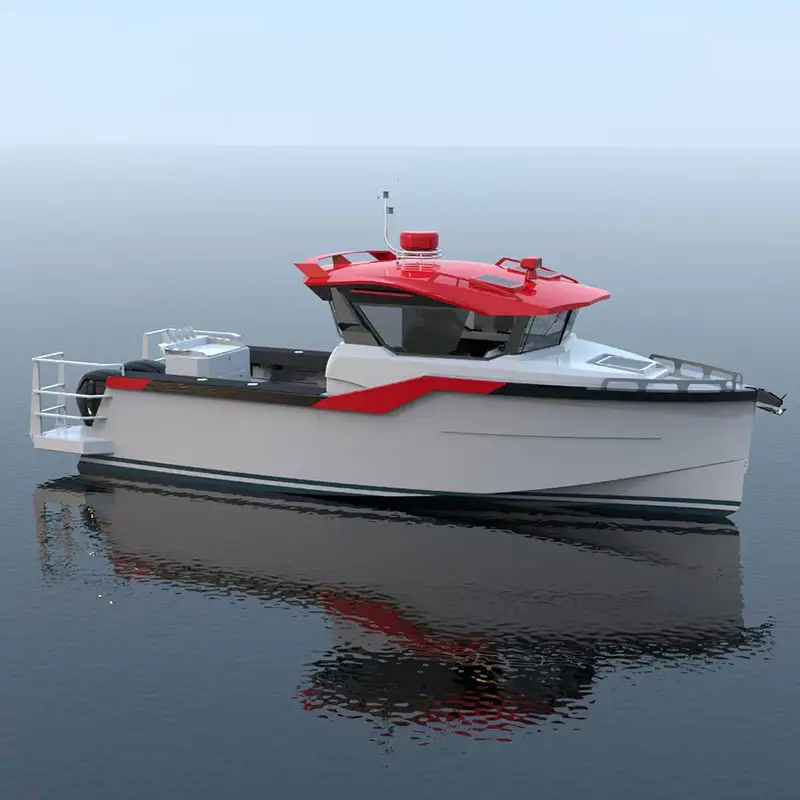
Getting that level of true vessel versatility right takes a lot of work long before a boat ever touches the water. It starts straight on the factory floor and depends heavily on a rock-solid supply chain. Xsmarine knows that modern offshore operators demand custom engineering and adaptability without ever cutting corners on structural strength or safety. By combining advanced manufacturing techniques, smart naval architecture, and strict quality checks, Xsmarine builds rugged workboats tailored directly to the demands of commercial marine work. The entire build process relies on premium marine-grade alloys, reinforced framing, and customizable deck layouts designed for quick, hassle-free equipment swaps. Beyond just manufacturing tough boats, Xsmarine backs its builds with reliable supply chain support and global shipping networks, ensuring that every vessel and replacement part arrives ready to perform, helping operators tackle messy marine challenges with complete peace of mind.
Future-Proofing Offshore Operations with Versatile Vessels
At the end of the day, the long-term success of any offshore industrial project relies heavily on the flexibility of the marine fleet backing it up. As the global offshore energy market shifts toward deeper waters, larger wind turbines, and stricter environmental rules, the demand for adaptable, multi-functional workboats is only going to climb. Investing in versatile marine assets bridges the gap between ambitious operational goals and smart business sense. By teaming up with experienced manufacturing partners like Xsmarine, commercial operators and fleet managers can future-proof their operations, ensuring their fleets are always ready to adapt, perform, and excel no matter what the ocean throws their way.
Table of Contents
- The Evolving Demands of Offshore Industrial Projects and Workboat Adaptability
- Multi-Role Capabilities: Bridging the Gap Between Towing, Cargo, and Support
- Navigating Adverse Weather and Dynamic Marine Environments
- Cost Efficiency and Capital Optimization Through Multi-Functional Fleet Design
- Engineering Precision, Manufacturing Capability, and the Xsmarine Advantage
- Future-Proofing Offshore Operations with Versatile Vessels