
 EN



The Hidden Cost of Neglect: Why Proper Outboard Parts Storage Matters
For anyone running a marine business, managing boat dealerships, or spending weekends out on the water, outboard engine parts represent serious investments. Every single gear, propeller, fuel injector, and electrical harness is built tough to survive harsh saltwater and rough waves. Yet, the real damage often starts long before the engine ever hits the water—right inside the warehouse, garage, or workshop. Storing parts the wrong way can slowly ruin high-precision components before they are even unboxed. Over years of working closely with marine mechanics and global distributors, it is clear that premature part failure is rarely a factory mistake. Instead, it almost always comes down to poor storage conditions. Setting up professional storage habits isn't just about keeping shelves tidy; it is a smart engineering safeguard that keeps mechanical parts strong, avoids unexpected breakdowns on the water, and protects your business.
Understanding Environmental Threats: Moisture, Oxidation, and Polymer Degradation
To keep outboard parts in top shape, you first need to understand how things fall apart in storage. Metal components—especially high-strength steels and cast aluminum used in powerheads and lower units—are super vulnerable to rust and oxidation. When the air gets humid, especially with tiny salt residues left on parts from testing or previous use, corrosion moves fast. It pits cylinder walls and ruins precision bearings. But it is not just metal that suffers. Rubber parts and flexible seals, like water pump impellers, fuel lines, and O-rings, break down when exposed to changing temperatures and UV rays. They dry out, crack, and lose their flexibility. Top marine engineers agree that keeping a tight grip on the climate inside a storage facility is the absolute best way to stop these environmental issues in their tracks.
Pre-Storage Maintenance Protocol: Cleaning, Flushing, and Lubrication
Before any outboard part goes onto a shelf, it needs a proper clean-up based on field-tested marine maintenance habits. Whether parts are pulled from a motor during service or arrived fresh from manufacturing, they need to be neutralized. Metal parts require a wash with specialized degreasers to get rid of oily residues, followed by an immediate fresh-water rinse and complete drying so no trapped moisture is left behind. Once dry, they need a protective shield. Applying military-grade corrosion inhibitors or fogging oils to bare steel surfaces works wonders, and electrical sensors should always go into anti-static, moisture-proof bags. For fuel system parts like carburetors, flushing them out with preservation fluid stops old fuel from turning gummy and clogging up tiny internal jets while sitting idle.
Climate-Controlled Warehousing and Material-Specific Shelving Strategies
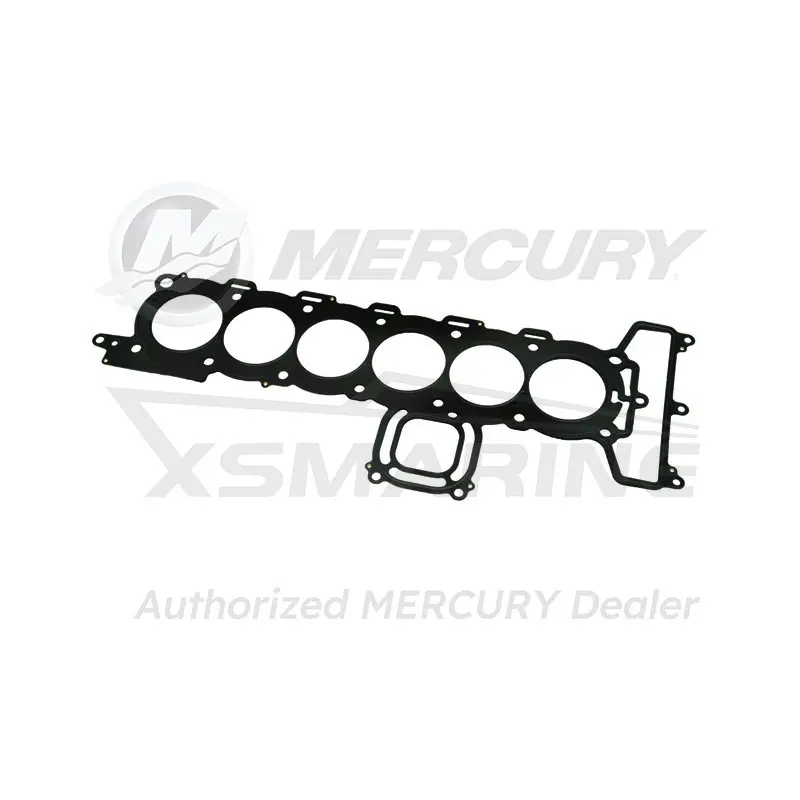
The room where you store your parts plays a massive role in how long they last. Proper marine parts warehousing means keeping temperatures stable and using industrial dehumidifiers to keep relative humidity well below normal outdoor levels. On top of that, different materials need different shelving approaches. Heavy steel components, like crankshafts and drive shafts, should be stored vertically or on cushioned racks so they never bend under their own weight over time. Meanwhile, delicate electronic control modules and wiring harnesses belong in shielded packaging to block static electricity and interference. Gaskets and rubber seals should always lie flat in dark, cool bins away from direct fluorescent lights or sunlight so they keep their proper texture and strength.
Inventory Management, Quality Assurance, and the Xsmarine Advantage
Keeping parts in pristine condition is only part of the puzzle; managing them smoothly requires a strong supply chain behind the scenes. Xsmarine understands that today's marine industry demands absolute reliability from the moment a part is made until it is installed on a transom. By relying on advanced manufacturing techniques and strict quality control checks, Xsmarine builds outboard replacement parts using premium, corrosion-resistant materials designed to handle tough marine conditions. But the commitment does not stop at production. Xsmarine uses smart inventory tracking, heavy-duty export packaging, and reliable shipping networks to ensure every single component reaches your warehouse in ready-to-use condition. Teaming up with Xsmarine gives distributors and boat builders access to a trusted supply chain built on engineering precision, strong materials, and long-term value.
Safeguarding Your Investment for Peak On-Water Performance
Ultimately, the lifespan of any outboard motor comes down to the quality of its replacement parts. Swapping out messy storage habits for professional preservation practices helps marine businesses cut down on warranty claims, avoid ruined stock, and keep boats ready for action whenever customers need them. Proper storage bridges the gap between great manufacturing and real-world durability. Whether running a regional parts hub or outfitting a busy commercial fleet, taking time to store parts correctly pays off in safety and smooth operations every single day. Trust solid standards, keep environmental wear away from your stock, and rely on industry-leading manufacturing partners like Xsmarine to keep your business moving forward.
Table of Contents
- The Hidden Cost of Neglect: Why Proper Outboard Parts Storage Matters
- Understanding Environmental Threats: Moisture, Oxidation, and Polymer Degradation
- Pre-Storage Maintenance Protocol: Cleaning, Flushing, and Lubrication
- Climate-Controlled Warehousing and Material-Specific Shelving Strategies
- Inventory Management, Quality Assurance, and the Xsmarine Advantage
- Safeguarding Your Investment for Peak On-Water Performance